Paver resanding is one of those maintenance steps that many homeowners only notice when something starts to look wrong. The patio seems a little uneven, weeds begin to show up where they were not welcome, ants discover a new neighborhood, or rain starts carrying joint material away one storm at a time.
We see this often, and the truth is simple: pavers are strong, but the system that keeps them stable depends on more than the pavers themselves. The sand in the joints plays a major role in how the entire surface performs over time.
Proper joint sand helps keep pavers locked together, reduces washout, and can discourage weeds and insect activity, especially when the right material is chosen and installed correctly.
In this article, we will present you with a professional guide to understand how joint sand works, its importance, and when to consider a complete paver resanding of your patio.
Jump to:
The role of paver resanding in hardscape design
When we talk about paver resanding, we are not talking about a cosmetic touch-up alone. We are talking about restoring one of the key structural elements of an interlocking pavement.
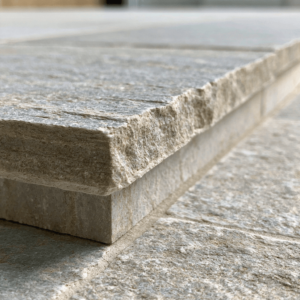
You see, pavers work as a system. The units, the bedding layer, the edge restraint, and the joint material all work together. When joint sand starts to disappear, the pavers can gradually lose some of the lateral support that helps them stay in place. That is when movement, open joints, and premature wear begin to show up.
This is why paver resanding usually becomes necessary after deep cleaning, pressure washing, heavy rain exposure, or just years of normal use. Even a beautiful patio can slowly lose joint material without the homeowner noticing it day by day.
Re-sanding pavers helps restore appearance and function, and that remains one of the smartest ways to extend the life of a patio, walkway, or driveway. We here at JS Brick have offered paver installation and maintenance services for 26 years, and our experience has taught us one clear lesson: neglecting the joints is expensive, while maintaining them is not.
How joint sand affects stability and appearance
Joint sand fills the spaces between pavers and helps transfer pressure across the surface. That matters on walkways, patios, and especially driveways where loads are higher. When sand levels drop too low, the edges of the pavers are more exposed to movement and abrasion. Over time, that can contribute to shifting and a less uniform surface.
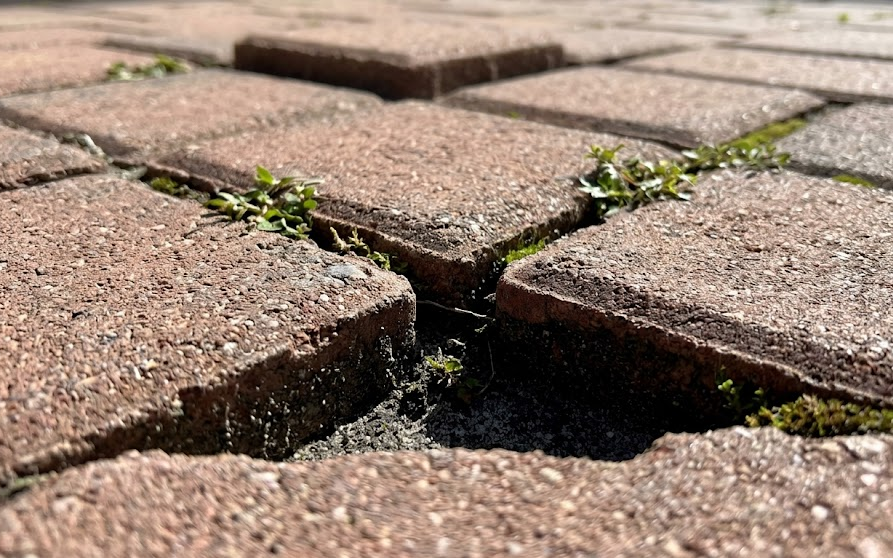
Appearance matters too. Open joints collect dirt, organic debris, and moisture more easily. That creates an ideal environment for weeds, moss, and insect activity. This is one reason why polymeric sand is so often recommended.
When is paver resanding necessary?
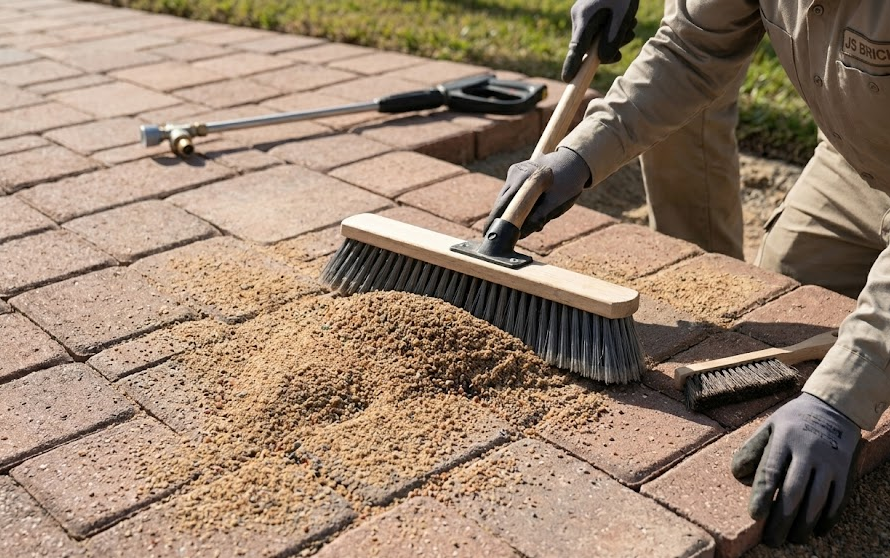
A lot of homeowners ask the same thing: How do I know when it is time for paver resanding instead of just a quick cleaning?
The answer is usually visible in the joints. If the joint material has dropped noticeably below the chamfer or edge of the pavers, if you can see empty spaces, or if weeds and ants are becoming frequent guests, resanding is likely overdue. Our guide on how to resand pavers explains that open joints are one of the strongest indicators that the sand keeping the bricks stable has been washed away.
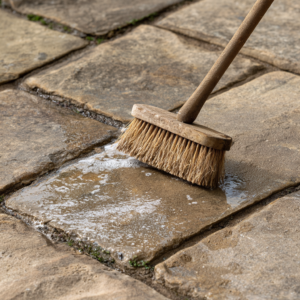
Another common sign is after pressure washing. Cleaning can be excellent for restoring color and removing grime, but it often pulls sand from the joints as well. So cleaning and resanding are often partners, not separate jobs. If one is done without the other, the surface can look cleaner while becoming more vulnerable.
The importance of polymeric sand
When it comes to paver resanding, we strongly recommend polymeric sand over regular joint sand in every situation. Regular sand may look like a cheaper and simpler option at first, but it does not deliver the same long-term performance.
Polymeric sand contains binding agents that activate with water and help lock the joints together, which gives the entire paver surface more strength, stability, and resistance to erosion.
That difference matters more than most homeowners expect. With regular sand, joint material can gradually wash out after rain, irrigation, or pressure washing. Polymeric sand, however, bonds in the joints rather than sitting loosely between the pavers.
The only caveat is that polymeric sand must be installed correctly. The surface needs to be dry, excess sand must be fully removed before activation, and the product needs to match the joint size and paver type.
When installed the right way, polymeric sand is the more reliable, more durable, and more professional choice for paver resanding. It is simply the better material.
Read also: An expert’s guide to how to pressure wash a paver driveway
The smartest way to approach paver resanding
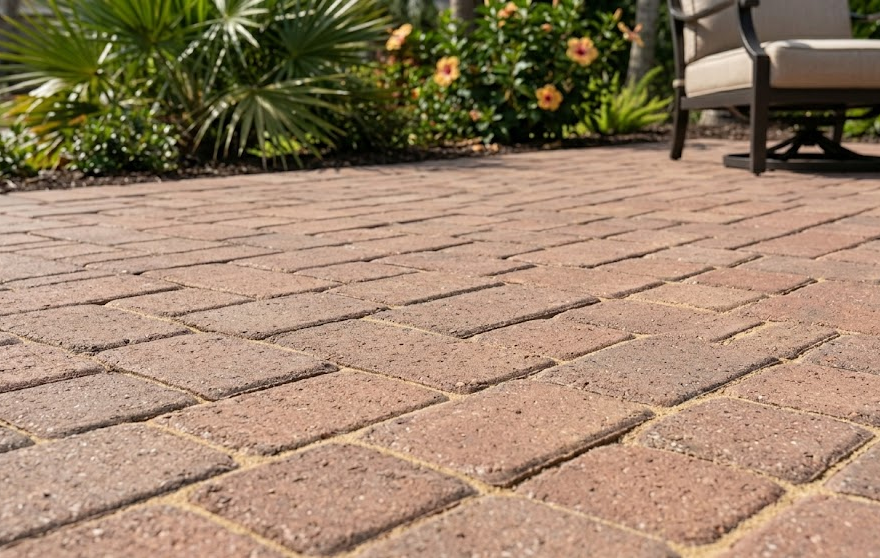
The best approach to paver resanding is to think of it as part of a maintenance cycle, not as an emergency repair.
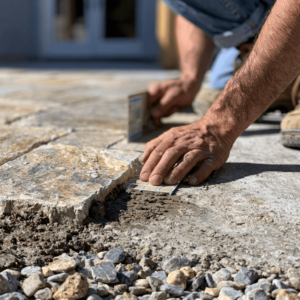
First comes inspection. Then cleaning, if needed. Then, joint preparation, material selection, resanding, and sometimes sealing, depending on the project goals and timing. When done in the correct order, resanding helps the entire surface look better and perform better.
We always encourage property owners to view paver maintenance the same way they would view roof care or wood deck care. Waiting until the problem is obvious usually means more work later. Staying ahead of it protects the investment and keeps the space enjoyable.
If your paver surface is starting to show open joints, recurring weeds, or that slightly worn look that tells you something is off, paver resanding may be exactly what it needs.
And when the goal is a result that looks clean, lasts longer, and actually supports the surface the way it should, it helps to have a professional hardscape contractor by your side to help you. So find one you can trust in your area.
And if you are around Sarasota, in FL, we here at JS Brick help homeowners in surrounding areas keep hardscapes performing the way they were meant to. So reach out to us for a free estimate on our services.
FAQ
- What is paver resanding, and why is it important?
Paver resanding is the process of refilling the joints between pavers with sand after they have lost it over time. It’s essential because those joints help keep the entire system stable, preventing movement, erosion, and surface deterioration.
- What happens if I don’t resand my pavers?
Neglecting resanding can lead to shifting pavers, uneven surfaces, increased wear on edges, and a higher likelihood of costly repairs. Over time, small gaps can turn into structural issues.
- How can I tell if my pavers need resanding?
Common signs include visibly low or empty joints, loose or wobbly pavers, recurring weeds or ants, and sand that has dropped below the paver edges.
- Does pressure washing remove joint sand?
Yes, pressure washing often removes a significant amount of joint sand. That’s why resanding should typically follow any deep cleaning to restore stability and protection.
- Is resanding only about appearance?
No. While it improves the look of your patio or driveway, resanding primarily restores structural integrity by helping distribute loads and keeping pavers locked in place.
- What type of sand is best for paver resanding?
Polymeric sand is generally the best option. It contains binding agents that harden when activated with water, creating stronger, more durable joints compared to regular sand.
- Are there any downsides to polymeric sand?
The main drawback is that it requires precise installation. If applied incorrectly – such as on a wet surface or without proper cleaning – it may not bond properly or could leave residue.
- How often should paver resanding be done?
There’s no fixed schedule, but it’s typically needed every few years, depending on weather exposure, traffic, and maintenance habits. Regular inspections help determine the right timing.
- Can I resand my pavers myself, or should I hire a professional?
DIY resanding is possible, but achieving long-lasting results requires proper preparation, material selection, and technique. Hiring a professional can reduce the risk of mistakes and ensure durability.
- Should paver sealing be done after resanding?
In many cases, yes. Sealing after resanding can help protect the surface, enhance color, and extend the life of the joints – especially when combined with polymeric sand.