Plastic paver base has been gaining attention as a lightweight and easier alternative to the traditional gravel and sand foundation typically used for installing pavers. On paper, it sounds appealing: no need for heavy equipment, less excavation, and sometimes even a claim to being more eco-friendly. However, as with anything else in hardscape, I’ve seen firsthand how these “shortcuts” can backfire.
In this article, I want to dive into the pros and cons of plastic paver base, using a practical and experienced perspective to give you an idea of what to expect.
You may also like: What’s the recommended slope for a paver patio?
Jump to:
What is a plastic paver base, actually?
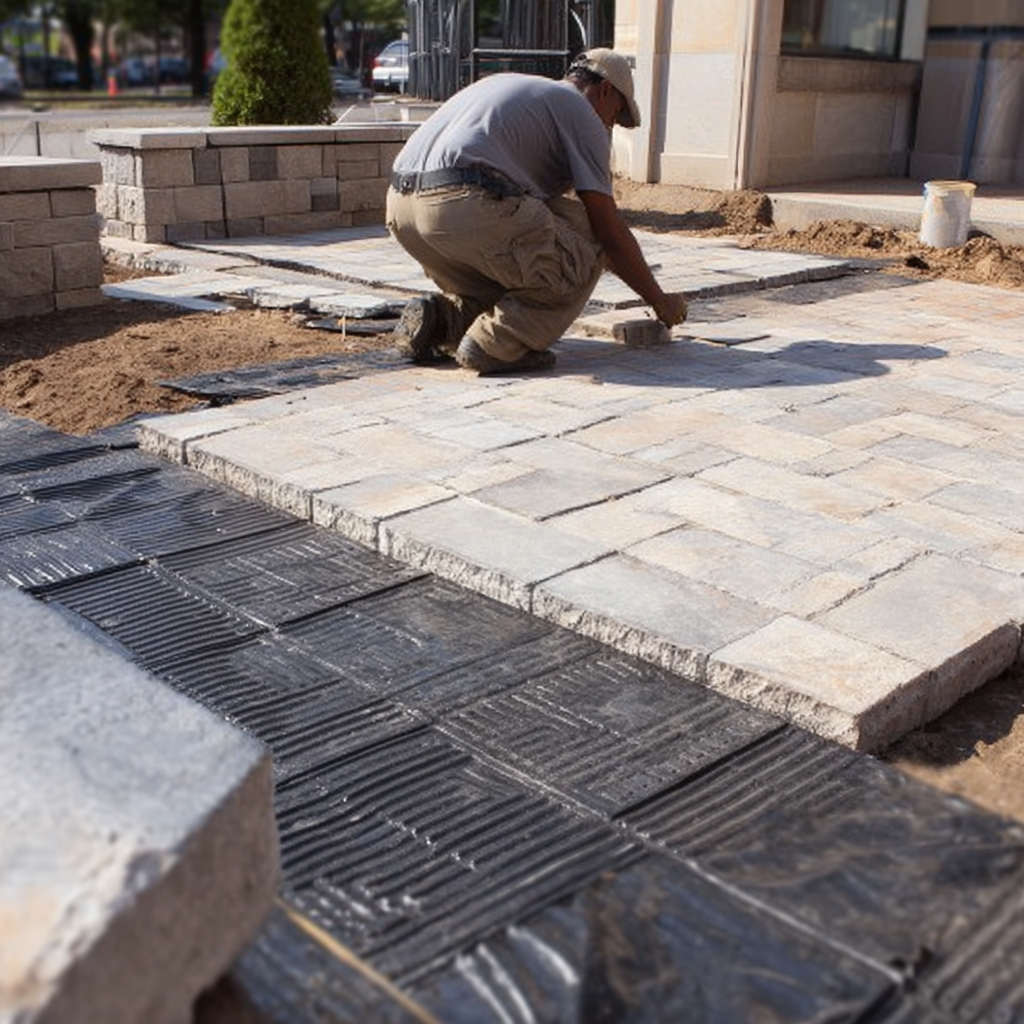
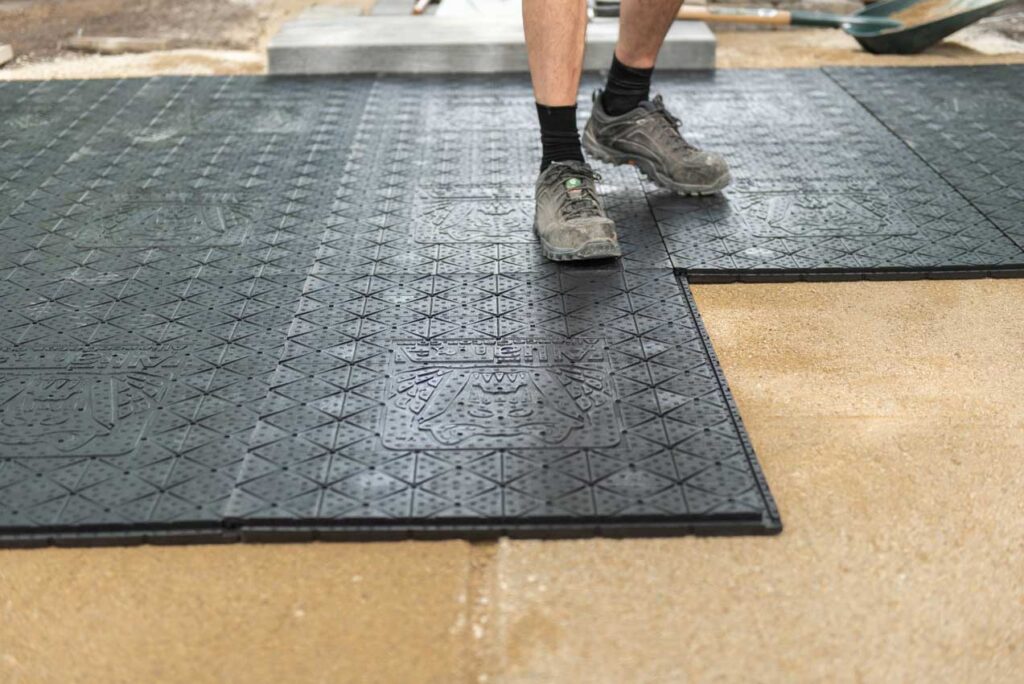
A plastic paver base refers to pre-formed panels or grids, typically made from recycled polymers or engineered plastics, designed to replace the need for a compacted gravel base when installing pavers.
These interlocking panels are laid directly on prepared soil and act as a structural layer to support the pavers above. Some versions are rigid, while others are slightly flexible, and many feature built-in channels or holes to promote water drainage.
The idea behind plastic paver bases is to simplify the installation process. Instead of excavating deeply and hauling in heavy aggregate, you can lay down these lightweight panels and place the pavers directly over them.
They are often marketed to DIY homeowners for small-scale patios, walkways, or garden paths, where speed and convenience are a priority.
The pros of a plastic paver base
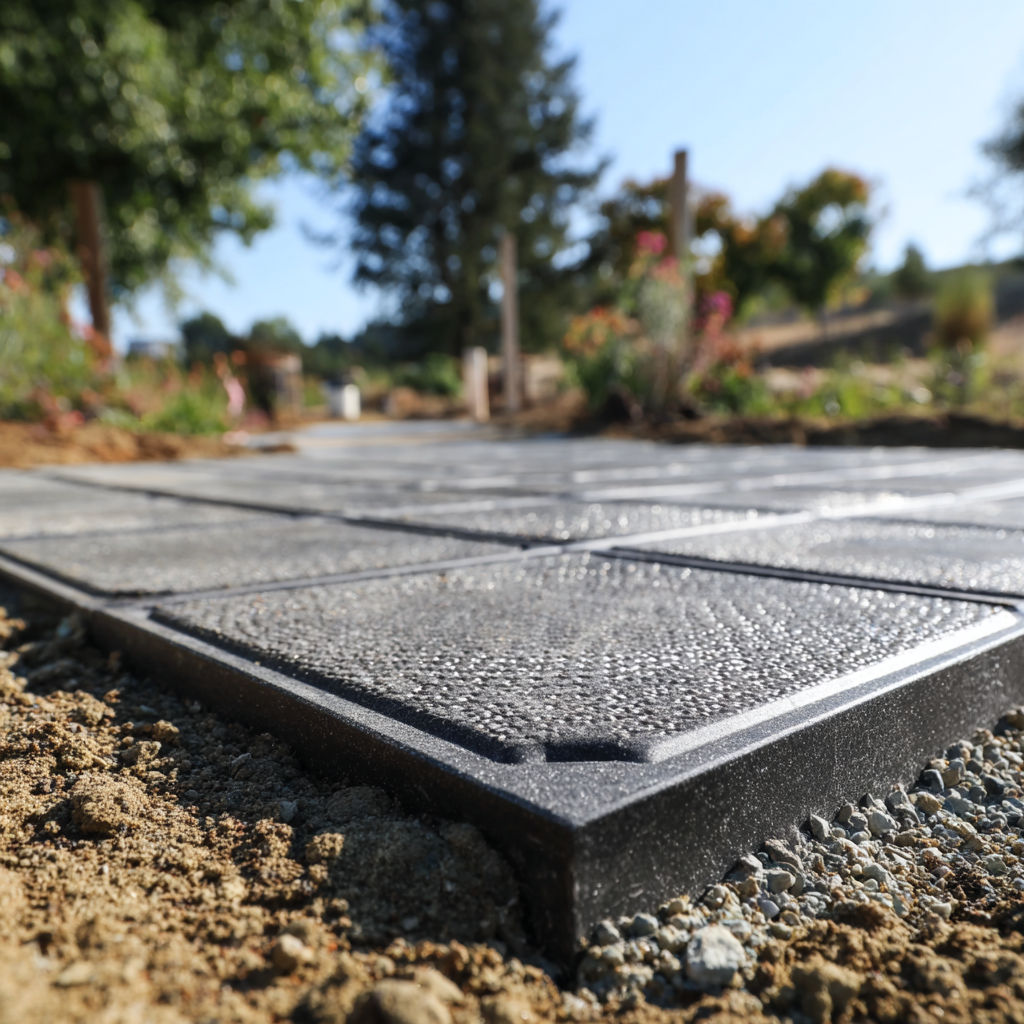
Lightweight and easy to install
One of the biggest selling points of plastic paver base systems is how lightweight they are. Instead of hauling in wheelbarrows full of crushed stone, you’re placing plastic panels directly onto the soil. For a DIY enthusiast working on a small backyard project like a garden path or a light-use patio, that can sound like a dream.
You might also save some time. The setup typically skips a few steps, no tamping of multiple gravel layers, no hauling sand back and forth. In theory, the process is quicker and cleaner.
Promoted as sustainable
Some manufacturers market their plastic bases as being made from recycled materials. If they truly are, that can be a plus. There are also claims that these bases offer improved permeability, allowing water to drain through rather than run off, which can help in areas with drainage issues or strict environmental regulations.
The cons of a plastic paver base
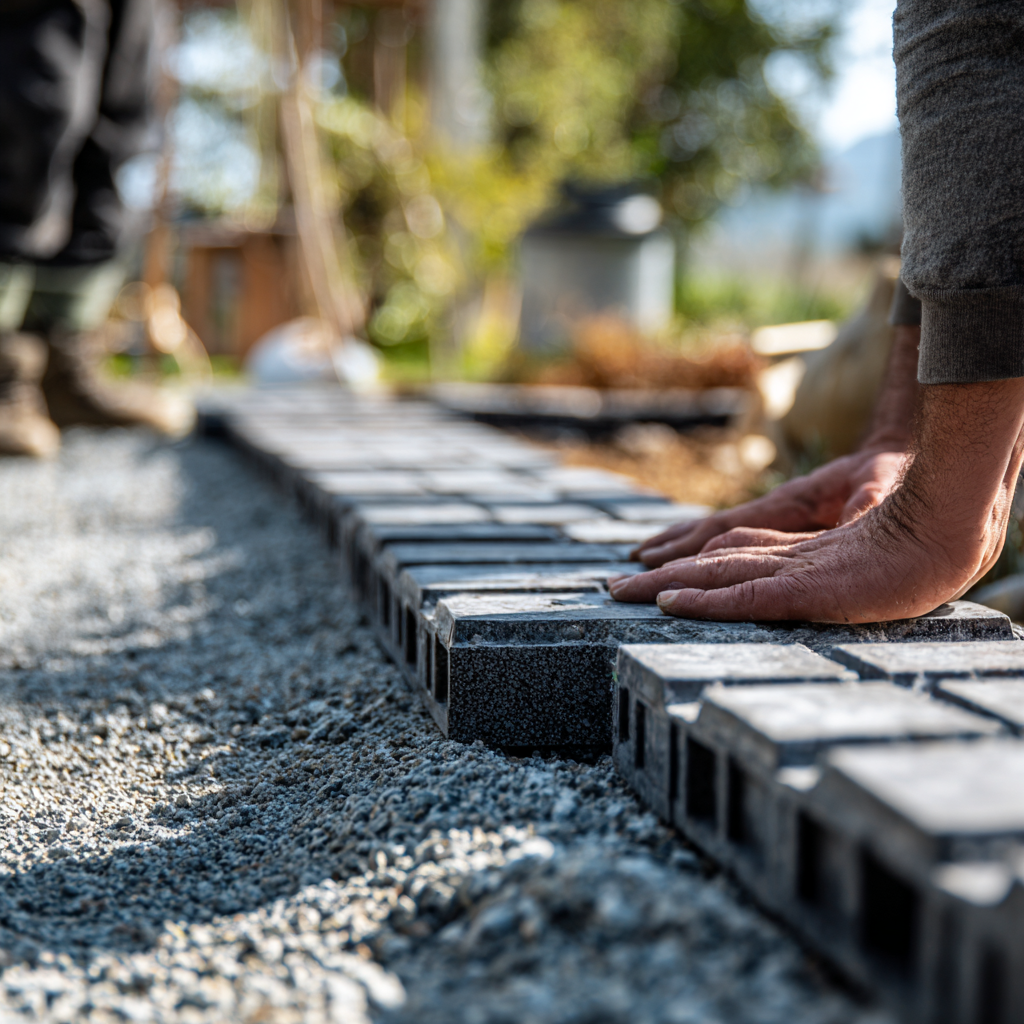
It doesn’t hold up to weight and time
Here’s the reality: a plastic paver base is not made for heavy loads or long-term stability. Most products on the market are rated for pedestrian use only. That means driveways, parking pads, and even high-traffic walkways are risky.
Plastic simply doesn’t compact or distribute weight the way gravel does. Over time, you might notice shifting, settling, or even sinking, especially in areas with moisture or unstable soil. And once that happens, you’re looking at either frequent repairs or a complete do-over.
Drainage isn’t always as promised
Some plastic paver base systems claim to offer excellent water drainage. But, in practice, drainage is as much about what’s under the base as what’s above it.
Gravel bases are well-known for creating a permeable foundation that allows water to flow down and away from the surface, preventing puddling, erosion, and freeze-thaw damage. When you skip the gravel, you miss out on that natural drainage layer. And even with holes in the plastic panels, if the underlying soil is compacted clay or holds water, you’ve created a potential drainage problem.
Long-term costs and maintenance
Upfront, plastic base systems might seem cost-effective. But we always tell our clients to think long-term. If your paver patio starts shifting or breaking apart a few years down the line, what’s the real cost?
Gravel bases, when installed correctly, require very little maintenance. They’re designed to flex slightly with the ground, absorb impact, and handle serious wear and tear. Plastic doesn’t offer the same resilience, and when it fails, you often have to remove the entire system to fix the issue properly.
Environmental trade-offs
While the idea of using recycled plastic is appealing, there’s another side to that coin. Most plastic bases are made of polymer blends that aren’t biodegradable. If one breaks or gets discarded, it doesn’t return to the earth the way natural stone does.
Plus, recycling plastic is far more complicated than it seems; many of these materials end up in landfills eventually.
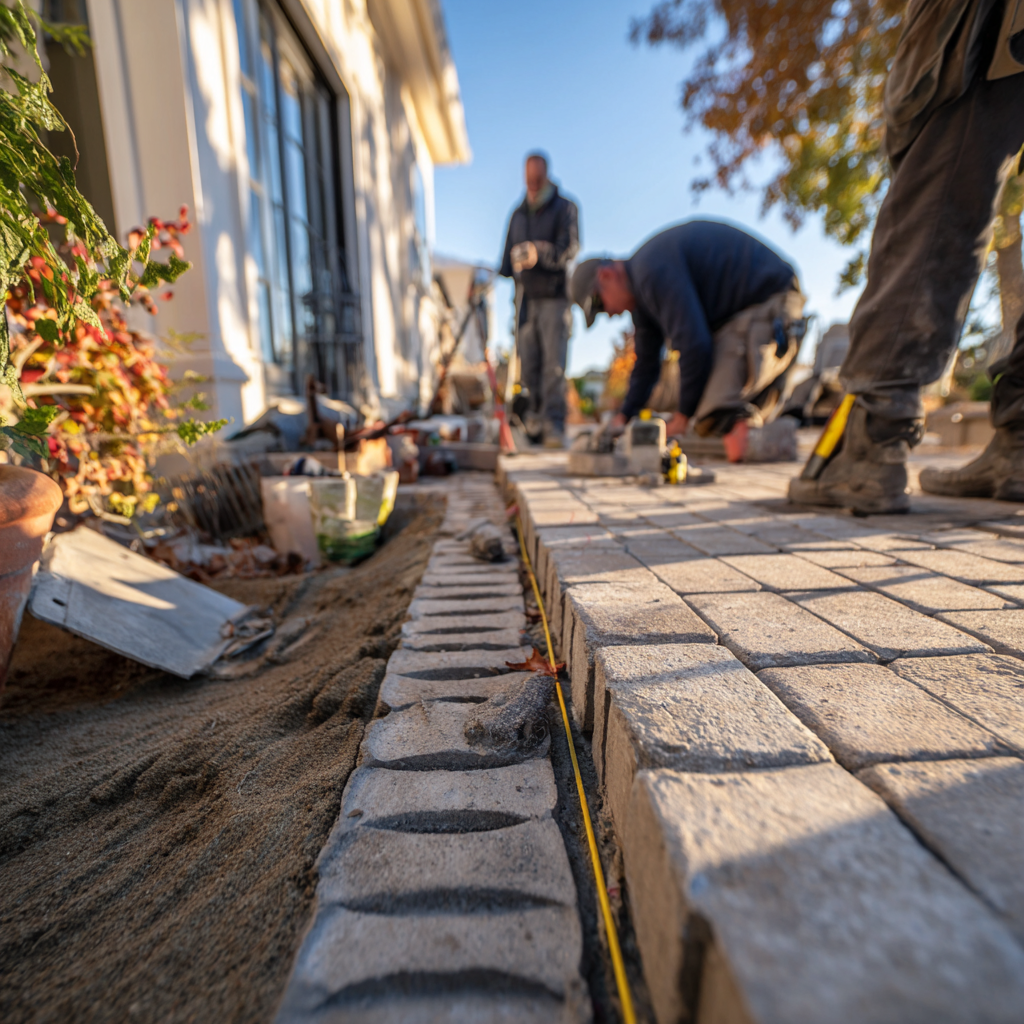
Why stick with a traditional gravel-and-sand base
After over two decades working with pavers, I’ve come to trust the method that simply works: a compacted gravel base topped with a layer of bedding sand.
This classic foundation has several advantages:
Structural integrity
Gravel distributes weight evenly and doesn’t break down under pressure. It creates a solid foundation that supports everything from footpaths to driveways and pool decks. When installed correctly, a gravel and sand base can last 20 years or more with minimal maintenance.
Superior drainage
Crushed stone allows water to pass through and away from the surface efficiently, preventing erosion, pooling, and cracking. This is especially important in Florida, where heavy rains and tropical weather are a regular part of life.
Long-term peace of mind
We’ve repaired many failed installations that used “innovative” base systems like plastic or foam. Most of the time, clients are surprised to learn that going back to gravel is not just the best fix, it’s often the only real solution.
When a project is done right from the start, using tried-and-true methods, you get the peace of mind that your investment is protected.
Read also: How to pave a patio with flagstone
Contact JS Brick today to begin your hardscape project the right way
There’s no denying that plastic paver base systems look attractive for smaller projects, or for those wanting to DIY without the heavy lifting. But in my experience, and based on countless installations, they simply don’t hold up over time the way a traditional gravel and sand base does.
You can ask any hardscape professional in your area, and they will tell you the same: the cheap initial cost and possibility of DIY installation are not worth the future headaches.
If you’re in Sarasota County, FL, and are planning your next hardscape project and want it done with the highest standards in mind, contact us here at JS Brick today. We’ll help you build something beautiful, strong, and truly lasting!