In the world of outdoor living and curb appeal, few elements combine function and aesthetic as well as paver sidewalk designs. These precisely crafted layouts can instantly transform a plain outdoor path into a work of art that elevates the entire look of a property – given you plan them out correctly.
Whether you’re aiming for a rustic walkway that echoes nature’s curves or a sleek modern strip that leads straight to your door, professional hardscape solutions provide the flexibility, durability, and charm that last.
In this article, discover what makes paver sidewalk designs so unique, explore different styles and patterns, understand the materials commonly used, and get valuable tips on choosing the right design for your own space.
Jump to:
Understanding the structure of paver sidewalk designs
First things first: unlike poured concrete, pavers are laid in a pattern over a compacted base of gravel and sand. This method allows for subtle movement and drainage, which helps prevent cracking and surface damage over time.
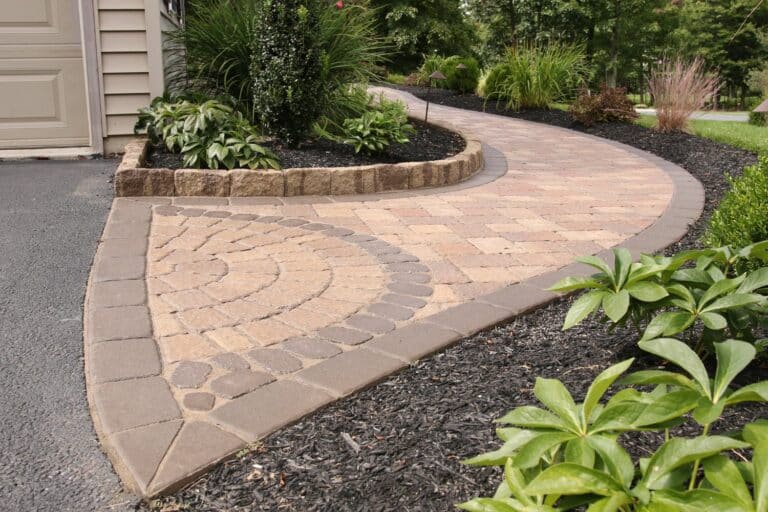
Paving stones come in various materials – each offering unique characteristics:
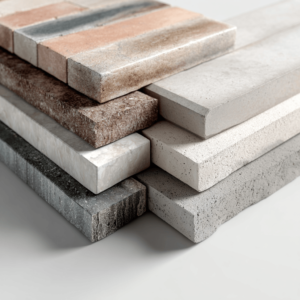
- Concrete pavers are the most common due to their affordability, variety of shapes, and easy availability.
- Clay brick pavers deliver a classic, warm tone that evokes timeless elegance.
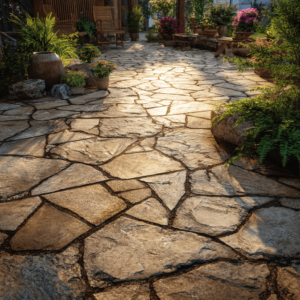
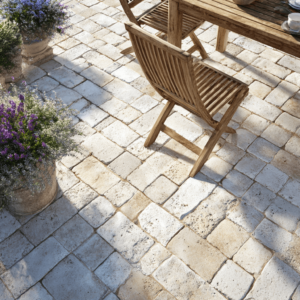
- Natural stone, such as travertine or slate, adds an organic and premium touch, often seen in upscale landscape projects.
Each material influences the final look and feel of the path, as well as its durability and maintenance needs. That means you, as a homeowner, must consider weather conditions, foot traffic, and aesthetic goals when choosing paver types.
Layout and pattern choices that define paver sidewalk designs
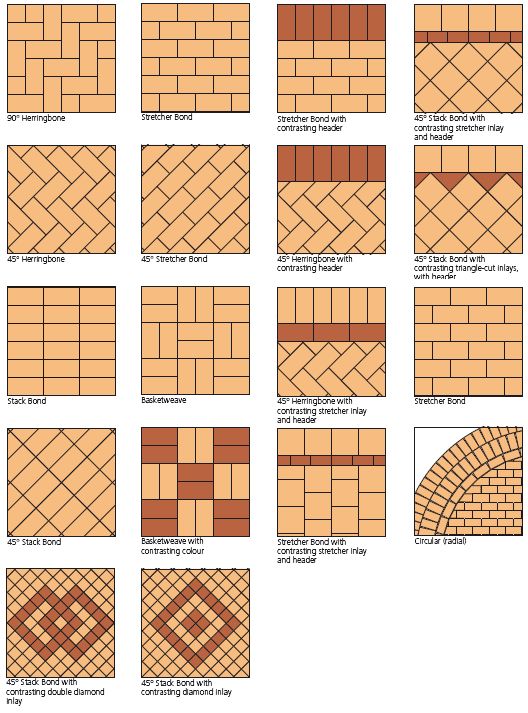
As usual in every art form, what truly sets paver sidewalk designs apart is the freedom of customization. Popular layout options include the classic herringbone, ideal for high-traffic areas due to its locking strength. Basket weave, on the other hand, creates a checkerboard effect that brings visual interest to a more compact space. Running bond offers a simpler, linear pattern often used for modern aesthetics.
When curves, borders, or decorative inlays are added, the design possibilities become nearly endless. The right pattern can make a narrow path feel wider, guide the eye through a garden, or create a dramatic focal point that welcomes guests at the entryway.
Why paver sidewalk designs outperform traditional paths
Traditional sidewalks made of poured concrete or asphalt may be functional, but they lack the visual richness and adaptability that pavers deliver. This is especially true in climates like ours, in Florida, where high moisture levels and shifting soils can wreak havoc on rigid materials.
Because each paver is a separate unit, they can withstand minor ground movement without cracking. If a single paver is damaged, it can be individually replaced without affecting the rest of the walkway. This makes repairs simple, cost-effective, and stress-free.
Additionally, properly sealed pavers resist stains from oil, food, and organic debris. Periodic cleaning and re-sanding of joints help maintain a crisp, well-kept appearance for years.
Another often-overlooked benefit of paver sidewalk designs is safety. Many pavers feature textured surfaces that provide traction, even in wet conditions. This is crucial for families with children or elderly members, especially in areas with heavy rainfall or near pools and gardens.
Adding character through hardscape design
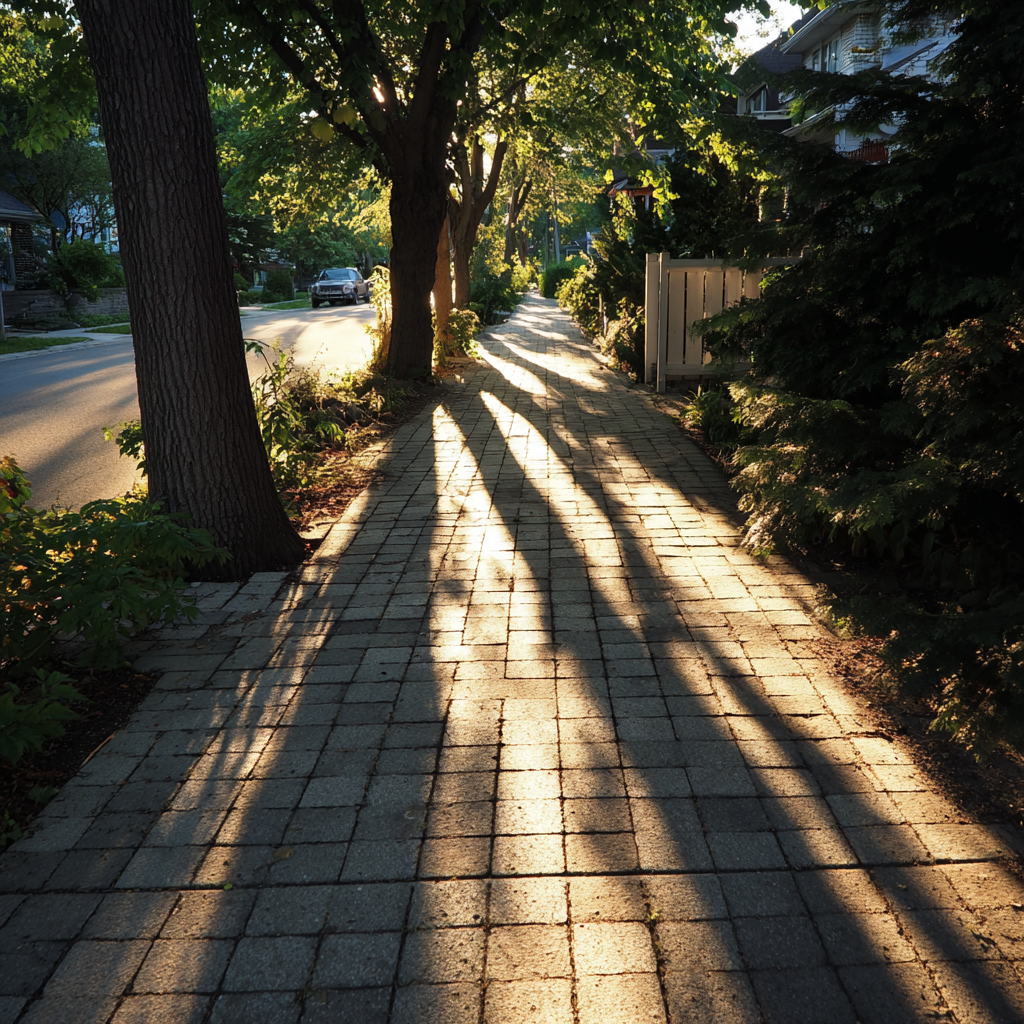
One of the keys to successful sidewalks is ensuring harmony between the walkway and its surroundings. Earth-toned pavers work beautifully in natural garden settings, while geometric patterns in monochromatic shades pair well with minimalist or contemporary architecture. Accenting the sidewalk with complementary edging or lighting can further enhance visual cohesion.
Even small design choices can dramatically affect the overall impact. For instance, curving paths tend to feel inviting and natural, encouraging leisurely strolls through a garden. Straight lines, meanwhile, offer a more formal and structured aesthetic.
By the way, further customizations – such as mosaic inlays, mixed materials, or colored borders – can turn an ordinary path into a standout feature. Some homeowners even use certain designs to highlight seasonal focal points or integrate them with driveway and patio layouts for a cohesive outdoor environment.
Things to consider when planning your sidewalk
Although the benefits are numerous, proper planning is essential for a successful project. The design should take into account the intended use of the path, the amount of foot traffic it will receive, and the homeowner’s budget and maintenance preferences.
Local climate and terrain
Here in Florida, for example, heavy rainfall and heat must be factored into material selection and drainage planning. Paver installations in this region often include deeper bases and specialized sand to improve water flow and reduce weed growth. Choosing stones that reflect sunlight can also help keep surfaces cooler.
Permitting and HOA guidelines
Depending on the location, installing new paver sidewalks may require permits or approval from homeowners’ associations. It’s important to check regulations ahead of time to avoid unnecessary delays or fines.
Working with professionals who understand the local codes and best practices can streamline the entire process. And here’s the good news: if you’re based in Sarasota, our team at JS Brick offers consultations and design advice tailored to the specific needs of the area!

When it’s time to call experts…
Though you may be tempted to tackle paver sidewalk designs as a DIY project, there’s significant value in hiring experienced installers like ourselves. After all, professional teams bring the tools, techniques, and know-how to ensure a stable, beautiful result that lasts.
From site prep and material sourcing to pattern alignment and sealing, every detail matters. A skilled crew can deliver both precision and artistry, making sure the final product matches your vision and performs under real-world conditions.
At JS Brick, our clients benefit from over two decades of expertise in brick and paver installations. With a focus on quality, customization, and customer care, our services are tailored to meet both your functional needs and design aspirations!
Contact us today to begin your dream project right away – with people who love what they do.