The choice of paver colors can make or break the aesthetics of any outdoor project. Whether it’s a serene backyard patio or a grand driveway leading to a modern home, color plays a key role not just in appearance but also in functionality and long-term satisfaction. It’s not just about picking something that “looks nice.” It’s about choosing a palette that enhances the architecture, complements the environment, and withstands time, weather, and wear.
In this article, let’s explore together how paver colors impact the final result of an installation, discover popular color options, and understand how each one affects temperature and maintenance. Check out our tips for making the right selection based on setting and purpose, whether working on a fresh installation or replacing old pavers in your place.
See also: How to create unique paver designs
Jump to:
How paver colors influence the overall design of a hardscape project
Color has always influenced perception – and when applied to outdoor spaces, the color of pavers can significantly affect mood, spatial perception, and even property value. Warm hues create a sense of comfort and intimacy, while cooler shades tend to offer a sleek and modern look; neutral tones, in turn, provide balance and are often used for their versatility.
Architectural style also plays a huge role. A Mediterranean-style home might call for warm terracotta paver colors, while a contemporary minimalist design may favor charcoal or gray tones. The surrounding landscape, existing elements, and even local lighting conditions should guide the decision.
Temperature and thermal behavior of pavers in colors
Darker paver colors absorb more sunlight, making them warmer underfoot during the day. This might be ideal for a poolside deck in cooler climates, but not so pleasant for barefoot walks in a Floridian summer. Lighter paver colors reflect more light and stay cooler, which is especially valuable for comfort and energy efficiency in hotter areas like Sarasota.
There’s also a technical element to this, by the way: materials like brick and concrete retain heat, and their surface temperature can vary significantly depending on the color chosen. When designing for barefoot areas or places with prolonged sun exposure, opting for beige, sand, or light gray may be the most practical solution.
Popular colored pavers and their aesthetic effects
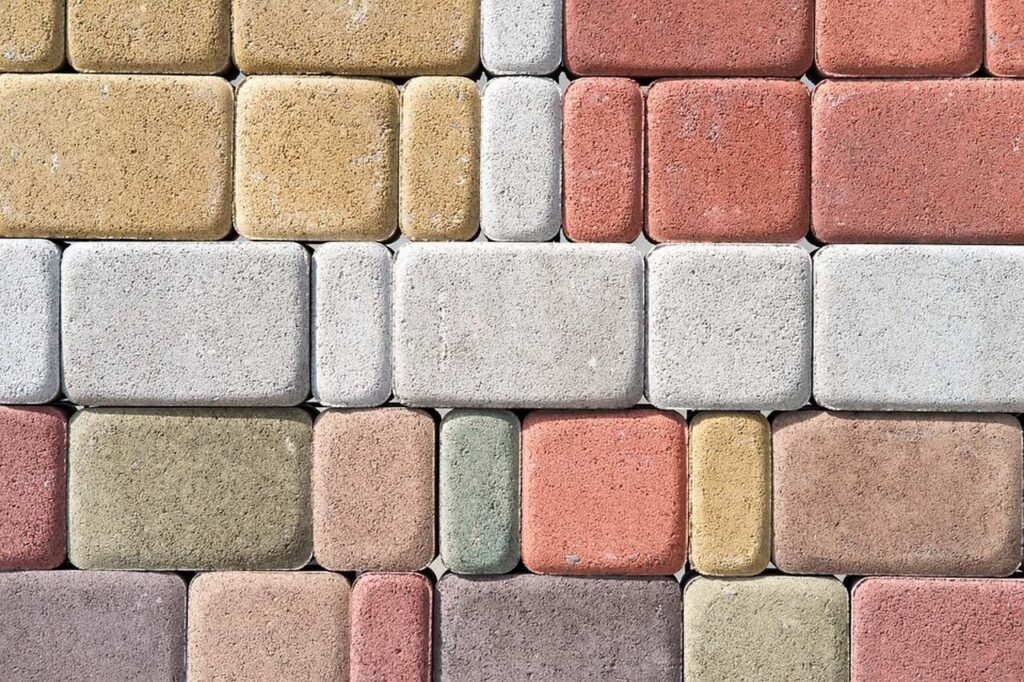
Paver colors are more than just decoration, given that each color tells a story and creates a different impact. For a more informed decision, it helps to know what’s trending and why.
Earth tones and timeless elegance
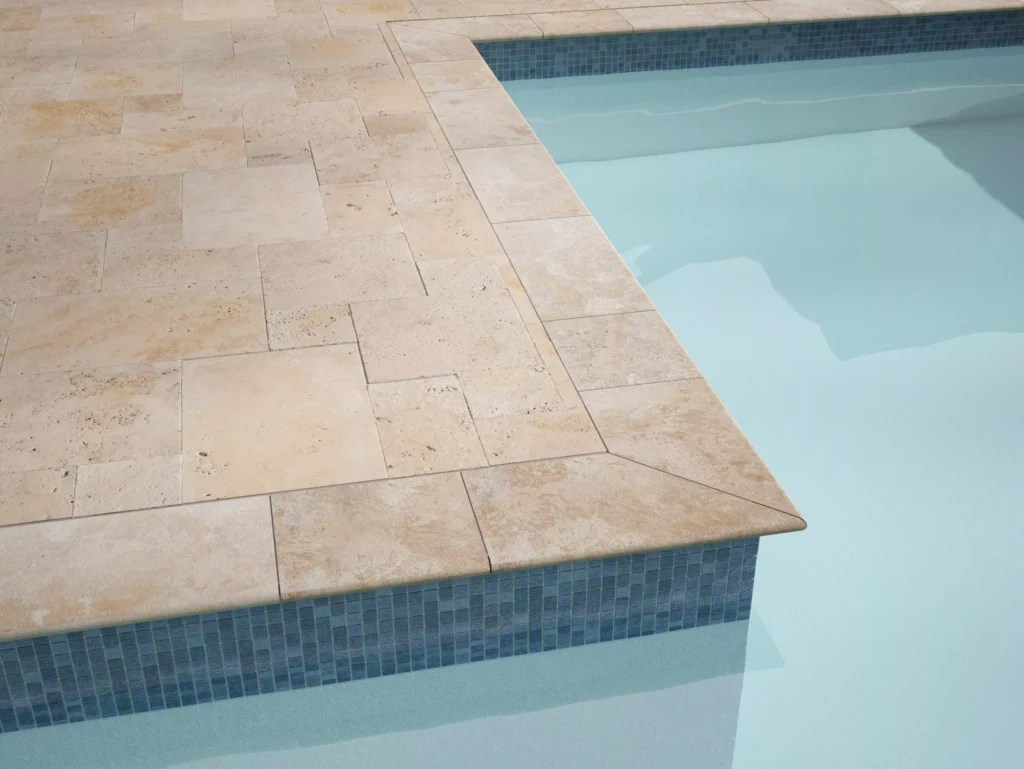
Beige, brown, sand, and clay are traditional favorites. These colors blend naturally with most environments and age gracefully. They’re ideal for residential patios, garden paths, and rustic driveways. Their warm undertones provide a cozy, inviting feeling and tend to camouflage dirt and wear better over time.
Gray tones and contemporary appeal
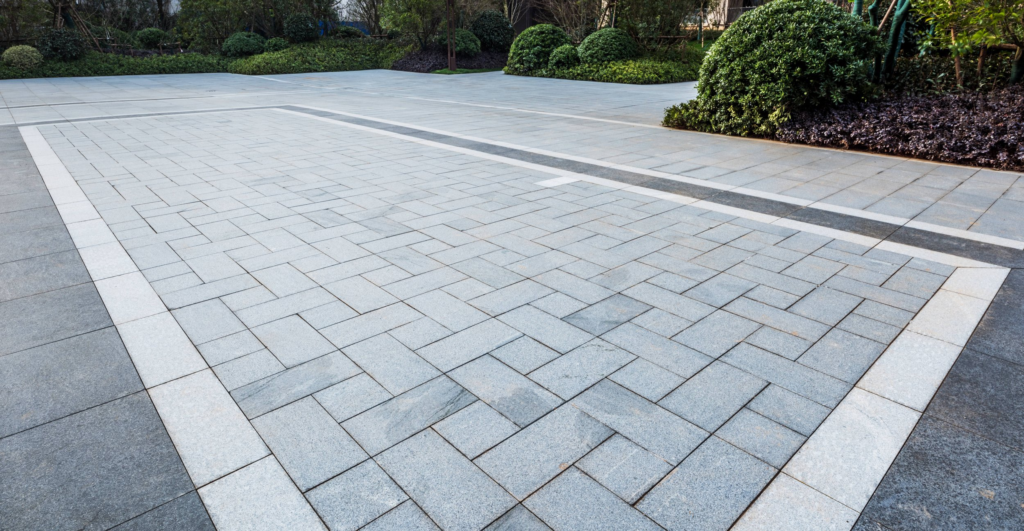
Gray paver colors are often chosen for their sleek and modern appearance. Available in variations from silver to charcoal, they suit minimalist architecture, urban landscapes, and high-end installations. Gray pairs well with both light and dark structures, allowing for bold contrast or subtle blending.
Interestingly, light grays can help brighten shaded areas, while dark grays bring depth to open spaces. The flexibility of gray makes it one of the most versatile choices in recent years.
Red and terracotta for traditional charm
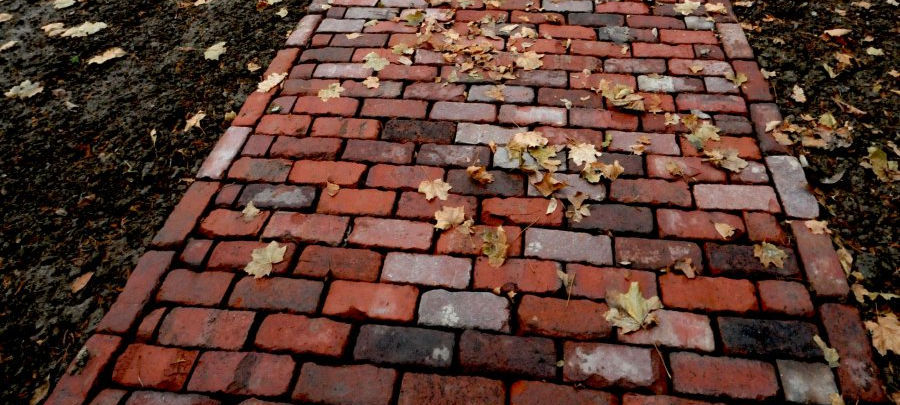
Red bricks and terracotta pavers evoke classic aesthetics and are commonly used in historical renovations, courtyards, and traditional garden paths. These paver colors are instantly recognizable and can bring a strong identity to a space. However, they require thoughtful pairing to avoid clashing with contemporary elements.
How to choose the right color for paver for each project
Choosing paver in colors is more than selecting a favorite shade. It involves balancing personal preference with practical considerations. Climate, lighting, existing structures, and long-term maintenance must all be factored in.
Matching the surroundings and fixed elements
When selecting paver in colors, it’s important to consider non-changing elements, like house paint, roofs, fences, and trees. Colors should harmonize with these to create a cohesive look. For example, a blue-gray roof might pair better with cooler paver tones, while beige siding welcomes earth-toned pavers.
Testing samples on-site is one of the most effective ways to assess color interaction. Seeing how the paver behaves under natural light at different times of the day can prevent unpleasant surprises.
Planning for wear and maintenance
No matter how beautiful, pavers will be subject to weather, foot traffic, and time. Some paver colors show stains, algae, or fading more than others. Dark colors might hide tire marks on a driveway but reveal dust and salt stains. Light tones might require more frequent cleaning, but don’t absorb as much heat.
In coastal areas like Sarasota, where humidity and salt air are factors, it’s advisable to choose paver colors that are sealed and designed to resist fading and staining. Choosing textured or mixed-color pavers can also help hide wear better than uniform shades!
Combining paver colors for depth and dimension
Monochromatic layouts can be striking, but using multiple paver colors opens the door to creativity. When done right, mixing colors can highlight architectural features, create visual paths, and add a dynamic element to the layout.
Accent borders and patterns
A popular technique involves using darker paver colors as borders around lighter infill areas. This creates a framed look that adds definition and polish. Circular patterns or fan layouts benefit especially from contrasting tones, as they draw attention to the craftsmanship and design.
Combining colors doesn’t always mean high contrast. Subtle variations within the same color family can add depth without visual noise. For example, blending light tan with medium brown produces a natural, sand-like effect perfect for beach homes or tropical landscapes.
Technological advances in paver colors
Thanks to innovation in materials and manufacturing, paver colors are more varied and durable than ever before. Modern pigmenting techniques allow for deeper, more uniform colors that resist fading. Some pavers are treated with color-lock technology or UV-resistant finishes, ensuring their beauty lasts longer even in sun-soaked regions.
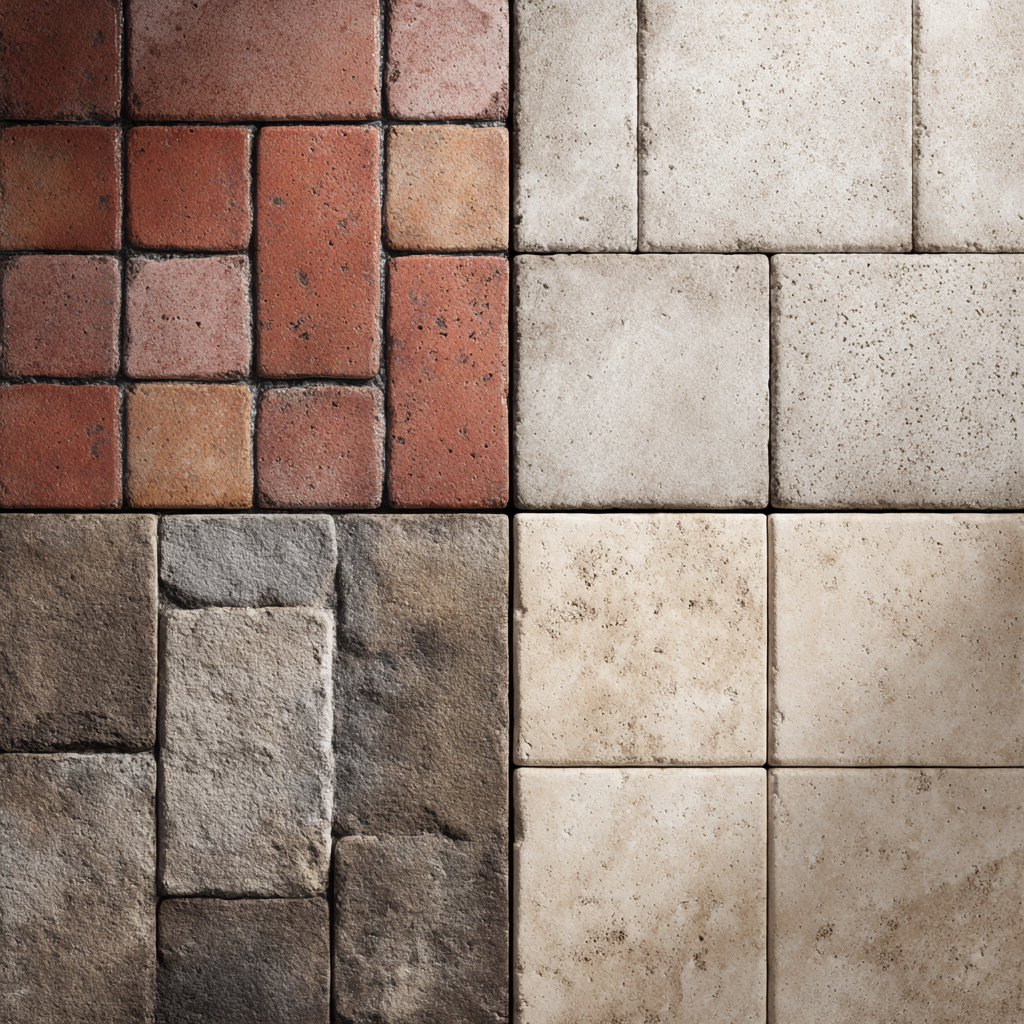
Manufacturers also offer blended and marbled color effects that mimic natural stone, offering elegance at a fraction of the cost. This opens the door for budget-friendly projects that don’t sacrifice visual impact.
Paver colors are more than just a style choice – and you’re not alone in this choice
The truth is that, from aesthetics to functionality, from temperature to maintenance, color influences every aspect of the final result. Whether the goal is to complement a traditional design or bring a bold, modern flair, there’s a paver color to match.
And if you feel overwhelmed by the choices, expert guidance can make the difference. Partnering up with experienced professionals ensures that each decision, including paver colors, is tailored to both vision and environment.
If you’re planning to bring your outdoor dream space to life in Sarasota or the surrounding area, JS Brick Corporation offers a wide range of paver options, seasoned installation expertise, and personal consultation to help make the perfect color choice. Visit our blog for more design tips and installation insights, or contact our team to get started on a personalized project.