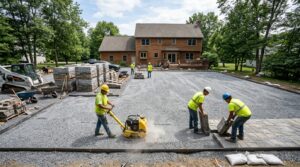
How much does a pallet of pavers weigh, after all? Understanding this is important for transportation, delivery planning, and job site preparation.
Pavers are typically delivered in pallets to make handling and shipping easier. However, the total weight of a pallet can vary depending on the size of the pavers, their thickness, the material used, and the number of units included in the pallet.
Because of these variations, knowing the average pallet weight and the factors that influence it can help you project more efficiently and avoid unexpected transportation issues.
You may also like: How many square feet are in a pallet of pavers?
Jump to:
How much does a pallet of pavers weigh?
A typical pallet of concrete pavers usually weighs between 3,000 and 4,000 pounds. This range represents the most common pallet weights used for residential patio, driveway, and walkway installations.
Many manufacturers package their products so that each pallet stays within a safe range for forklifts, delivery trucks, and pallet jacks. As a result, most pallets fall within a fairly predictable weight range.
While the exact number may vary slightly by manufacturer, this weight range is widely used across the hardscape industry.
How the weight of a pallet of pavers can vary
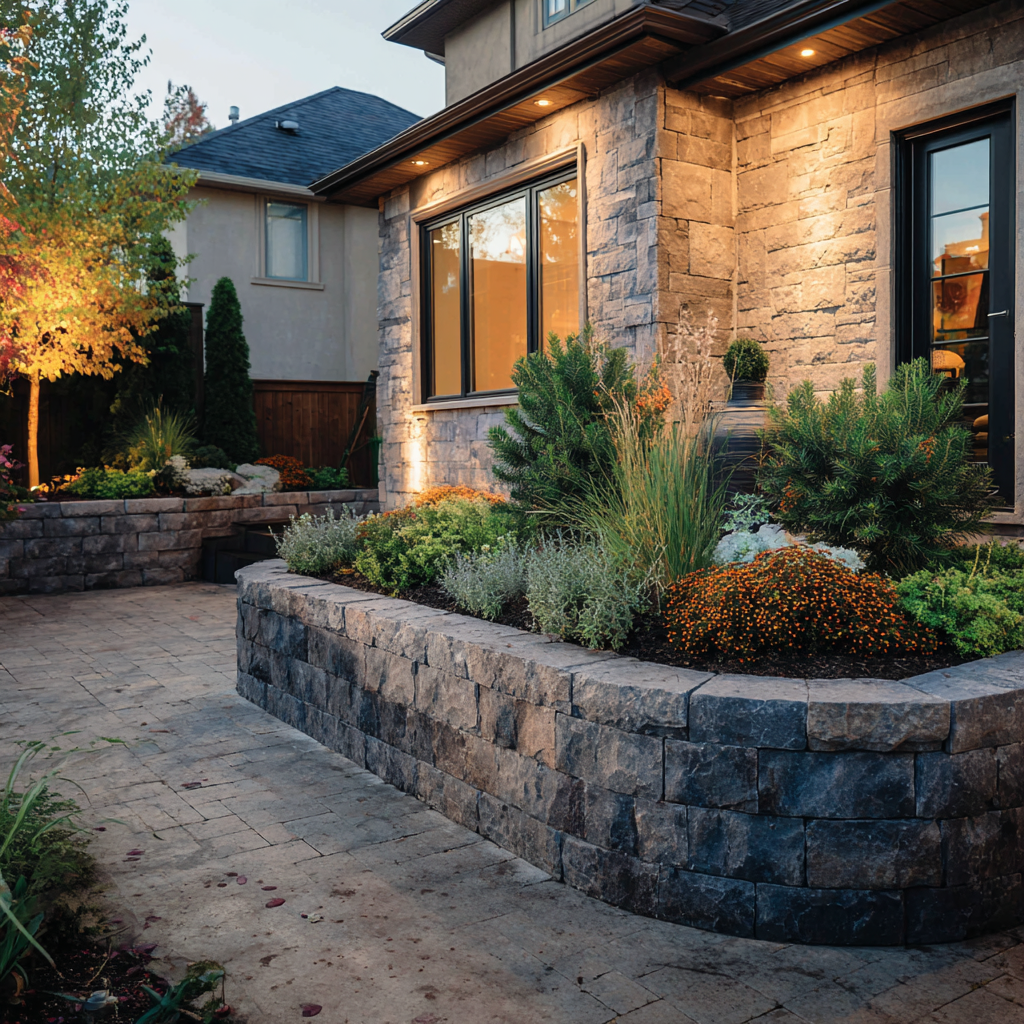
Although many pallets fall within the same general range, several factors influence the total weight.
Size of the pavers
As you can read in our complete guide on paver sizes, larger pavers cover more surface area but also weigh more individually. Because of this, pallets containing larger units often include fewer pieces to maintain a manageable shipping weight.
Smaller pavers require more units per pallet, but the overall pallet weight often remains similar because manufacturers balance the quantity accordingly.
Thickness of the pavers
Thickness plays a major role in determining how much a pallet of pavers weighs.
Standard residential pavers are typically around 2⅜ inches thick, while heavier driveway or commercial pavers may be closer to 3⅛ inches thick. Thicker pavers naturally weigh more per unit, which increases the total pallet weight.
Type of material
Most pavers are made from concrete, but some projects use natural stone products such as travertine or granite.
Natural stone often has a different density than concrete, which means pallets of stone pavers may weigh slightly more or less depending on the specific material used.

Paver pallet dimensions
Pavers are often packaged and sold on pallets for easy handling and transportation. Pallet sizes can vary, but a common dimension is 2 feet by 2 feet.
Manufacturers may, however, opt for larger or smaller pallets depending on various factors, such as the dimensions and thickness of the pavers they produce. The diverse range of paver designs and applications available in the market primarily drives this variability in pallet size.
Therefore, to ensure precise project planning and execution, you must verify the specific dimensions of the pallet when making a purchase.
This step is crucial as it directly impacts factors like storage space requirements, transportation logistics, on-site handling, and, evidently, the final weight of the product.
Why pallet weight matters for your project
Knowing how much a pallet of pavers weighs is important for more than just transportation.
Delivery trucks must be able to safely carry the load, and the job site must allow forklifts or lifting equipment to move the pallets into position. In some residential areas, limited driveway access or soft soil conditions can affect how pallets are delivered.
Weight also matters when storing pallets on driveways, patios, or decks before installation. A pallet weighing several thousand pounds concentrates significant weight in a small area.
Planning ahead helps ensure that the delivery and installation process runs smoothly.
Transporting and handling paver pallets
Because pallets can weigh several thousand pounds, they are typically moved using forklifts, pallet jacks, or specialized lifting equipment.
Professional contractors plan delivery locations carefully to minimize unnecessary movement of heavy materials. Placing pallets close to the installation area helps reduce labor and speeds up the installation process.
For homeowners managing a project independently, understanding pallet weight helps determine whether professional delivery equipment will be required.
How to choose the right amount of pavers
Although pallet weight is important for logistics, the most important factor in planning a paver project is determining how much surface area needs to be covered.
Pavers are typically sold by square footage rather than by pallet count. Manufacturers provide specifications showing how many square feet each pallet covers.
Understanding both the pallet coverage and the pallet weight helps ensure that materials are ordered efficiently and delivered safely.
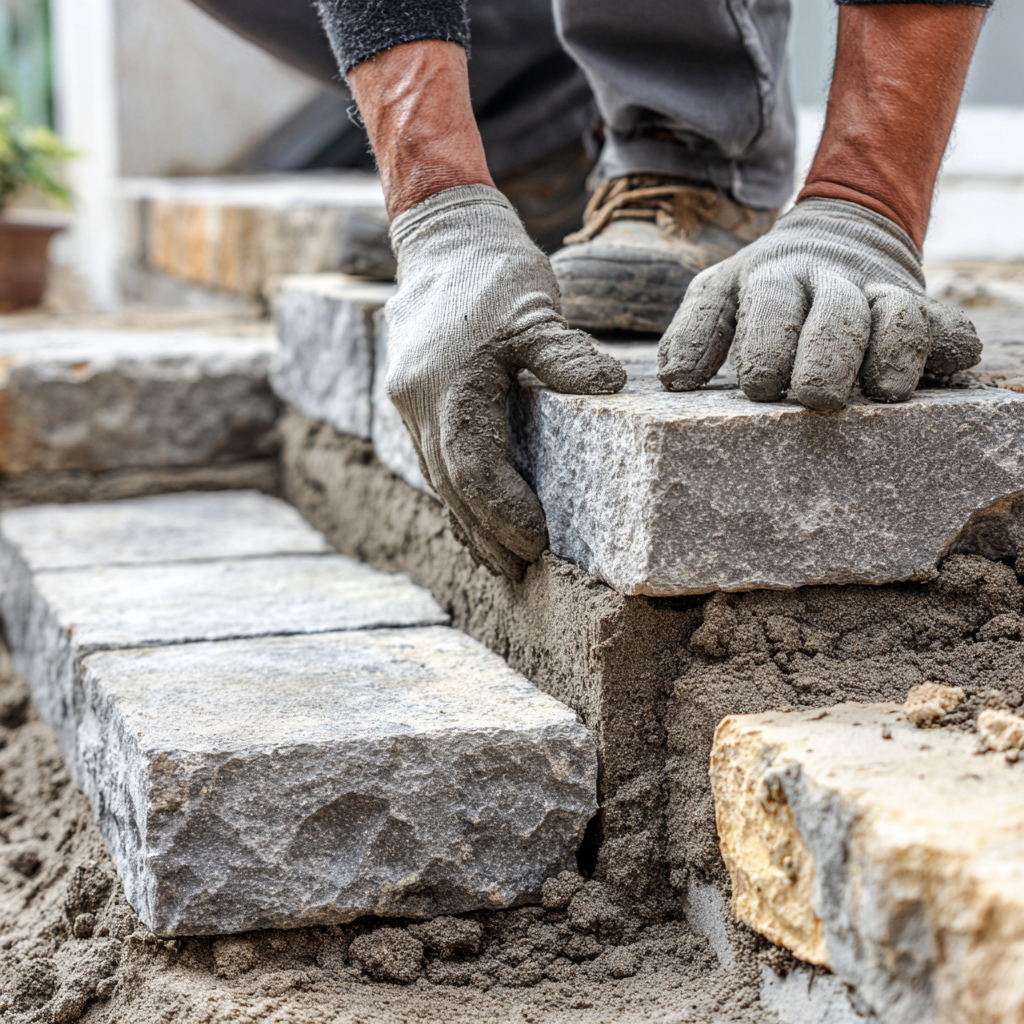
Planning a successful paver installation with JS brick
Understanding how much a pallet of pavers weighs is an important part of planning a successful hardscape project. From transportation logistics to job site preparation, knowing the weight of your materials helps ensure that delivery and installation proceed smoothly.
However, keep in mind that weight is only one aspect of a well-built paver system. Proper base preparation, drainage planning, and professional installation techniques are equally important for long-term durability.
If you are planning a patio, driveway, or pool deck and want to ensure your project is handled correctly from start to finish, your best bet is to hire a professional hardscape contractor to help you.
Professionals can help you design and install a paver system built for strength, stability, and long-lasting performance, and have close contact with manufacturers and suppliers for precise weight information, making sure to use that information so your project achieves optimal results.
And if you happen to be around our area of activity, in Sarasota County, FL, we here at JS Brick would love to help you with your project. Contact us anytime for a free estimate on our services so we can put our 23 years of experience in the hardscape industry at your service and help you with your paver project.