When planning a patio, driveway, or walkway, many homeowners start by asking how many square feet are in a pallet of pavers. At first, it may seem logical to focus on how many individual pavers come in a pallet. However, the real question is not the number of units, but the total area that a pallet can cover.
Pavers come in different sizes, thicknesses, and materials. Because of these variations, the number of pieces per pallet can change significantly. What truly determines how much surface you can build is the total square footage that the pallet provides once installed.
In this guide, you will learn how pallet coverage is calculated, what factors influence how many square feet are in a pallet of pavers, how to estimate your project needs accurately, and how to avoid costly ordering mistakes. Understanding pallet coverage correctly ensures better budgeting, smoother installation, and fewer delays during your project.
You may also like: Paver Size Chart: Definitive Guide
Jump to:
How Many Square Feet Are in a Pallet of Pavers on Average?
On average, a standard pallet of concrete pavers covers approximately 100 to 120 square feet. However, coverage varies depending on the manufacturer and paver dimensions.
Smaller pavers often result in higher unit counts per pallet but similar overall square footage. Larger format pavers may cover more area per unit, but are typically stacked in lower quantities due to weight limitations.
Manufacturers package pavers based on weight capacity and pallet size, which influences total coverage.
Factors That Affect Pallet Coverage
Paver Size and Dimensions
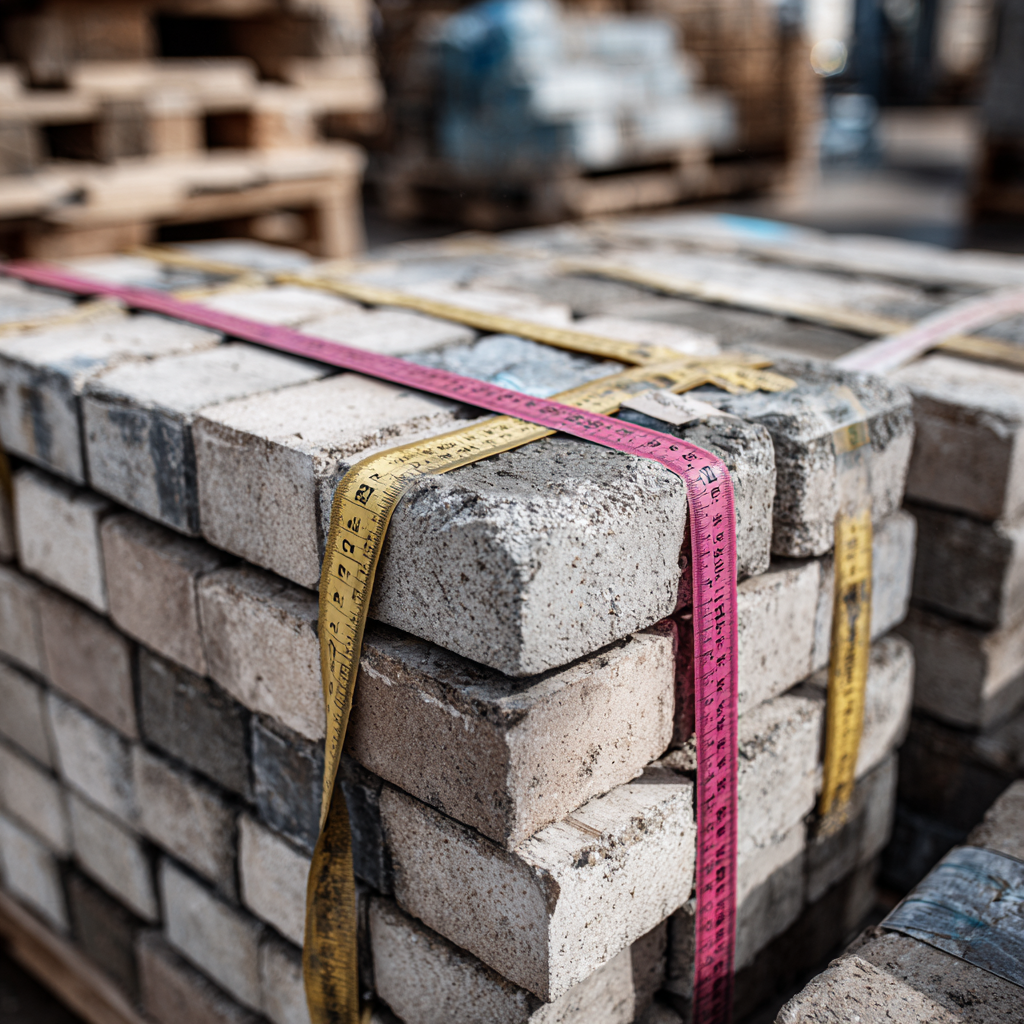
The size of each paver directly affects how many square feet are in a pallet of pavers. For example, 4×8-inch pavers will require more individual units per square foot than 12×12-inch pavers.
Larger pavers cover more surface area individually but may be limited in pallet quantity due to increased weight.
Paver Thickness
Standard residential pavers are typically 2 3/8 inches thick. Thicker pavers, often used for driveways or commercial applications, weigh more and may reduce the number of units per pallet.
Thickness affects weight and stacking limits, which ultimately influences total square footage per pallet.
Weight Limitations
Most pallets weigh between 2,500 and 3,500 pounds. Because of shipping and handling constraints, manufacturers adjust the number of pavers per pallet to remain within safe weight limits.
Heavier stone pavers, such as natural stone or thicker concrete units, often result in lower square footage per pallet.
How to Calculate Square Footage from a Pallet
To determine how many square feet are in a pallet of pavers, you can use a simple formula.
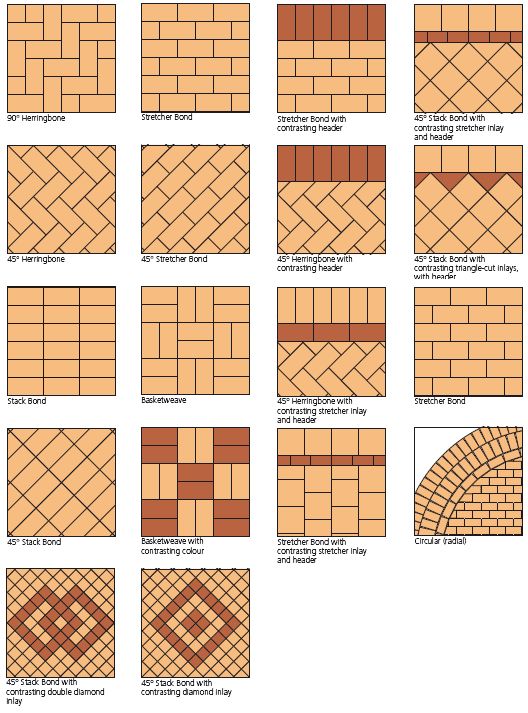
First, calculate the area of one paver in square feet by multiplying length and width in feet. Then multiply that number by the total quantity of pavers on the pallet.
For example, a 6×9-inch paver equals 0.375 square feet. If a pallet contains 300 units, the total coverage would be approximately 112.5 square feet.
Always confirm the manufacturer’s specification sheet to verify exact coverage.
How Many Pavers Per Pallet?
The number of pavers per pallet varies significantly depending on size. Smaller units may include 400 to 500 pieces per pallet, while larger format pavers may include 100 to 200 units.
Although unit count changes, overall square footage usually stays within a consistent range for standard residential products.
Understanding both unit count and total coverage prevents miscalculation during ordering.
Accounting for Waste and Cuts
When estimating how many square feet are in a pallet of pavers, it is important to account for waste.
Most professionals recommend ordering an additional five to ten percent to accommodate cutting, breakage, and pattern adjustments.
Complex layouts with curves or borders may require a higher waste allowance. Failing to account for overage can delay projects and increase costs due to reordering.
Why Pallet Coverage Matters for Budgeting
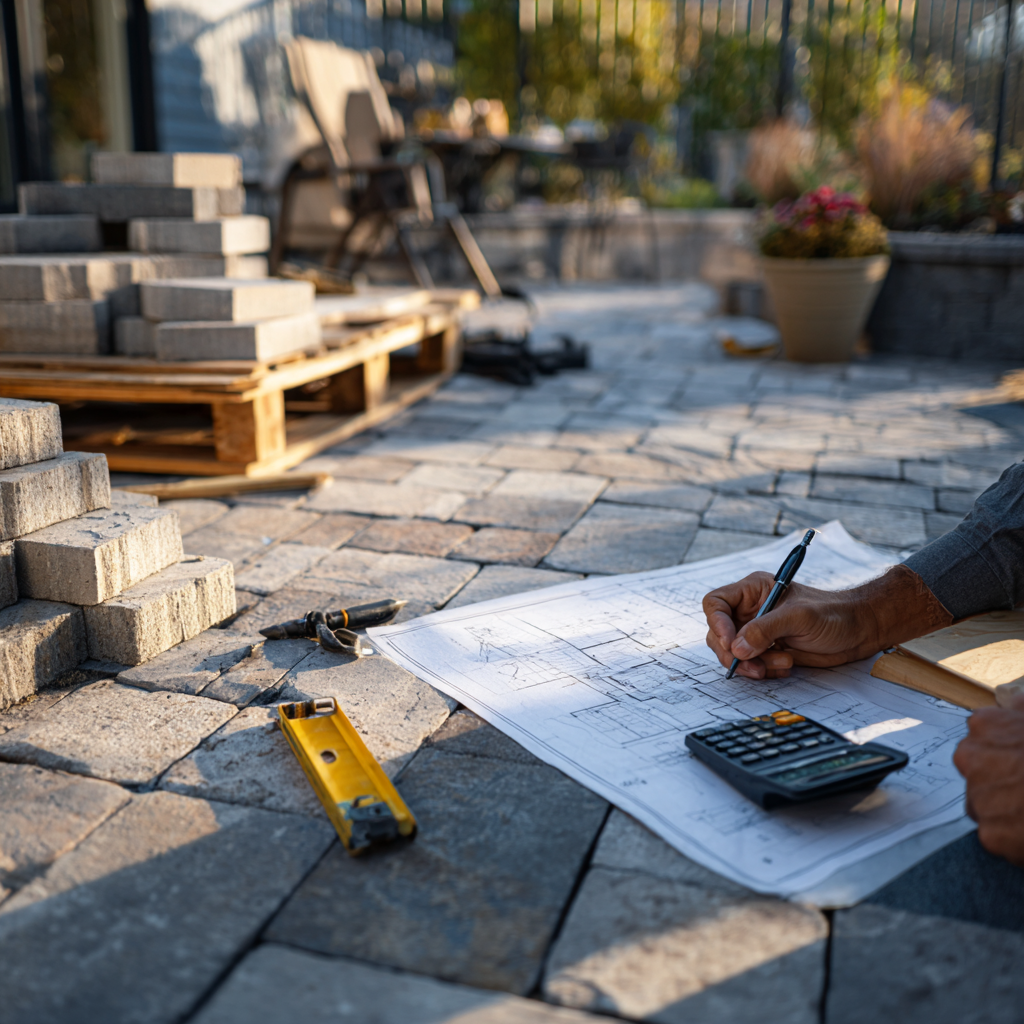
Knowing how many square feet are in a pallet of pavers helps with accurate budgeting.
Material costs are typically calculated per square foot. If you miscalculate pallet coverage, you may overestimate or underestimate the total project cost.
Transportation costs are also affected by pallet quantity and weight. Ordering efficiently reduces delivery fees and logistical complications.
Proper planning leads to smoother installation and fewer unexpected expenses.
Read more: How many pavers do I need? A simple guide
So – how many feet are in a pallet of pavers?
In most cases, you can expect coverage between 80 and 160 square feet, with an average of around 100 to 120 square feet for standard concrete pavers.
However, the exact number depends on paver size, thickness, material type, and the manufacturer’s packaging.
Reviewing product specifications and calculating accurately before ordering ensures that your patio, driveway, or walkway project progresses without delays or unnecessary costs.
Understanding pallet coverage is a small step that makes a significant difference in overall project planning – so we highly recommend you find a professional in your area you can trust to help you throughout the entire installation process.
And if you are in our area of service, here in Sarasota, FL, you can contact us anytime to help you with your project. We would be glad to hear from you and add you to our long list of satisfied customers.