If you are looking for the best paver step design ideas, it is essential to balance aesthetics with structural performance. Well-designed paver steps do more than connect different levels of your outdoor space. They enhance curb appeal, improve accessibility, increase safety, and add long-term value to your property.
Paver steps can transform a simple entrance, patio, or garden pathway into a visually striking architectural feature. However, the best paver step design ideas are not only about appearance. They require proper planning, material selection, and structural preparation to ensure durability and long-term performance.
Whether you are upgrading your front entrance or redesigning your backyard patio, understanding different design approaches can help you create steps that are both beautiful and structurally sound. So let’s get right to it.
You may also like: Why you should add paver steps to the front door
Jump to:
Modern Linear Paver Steps
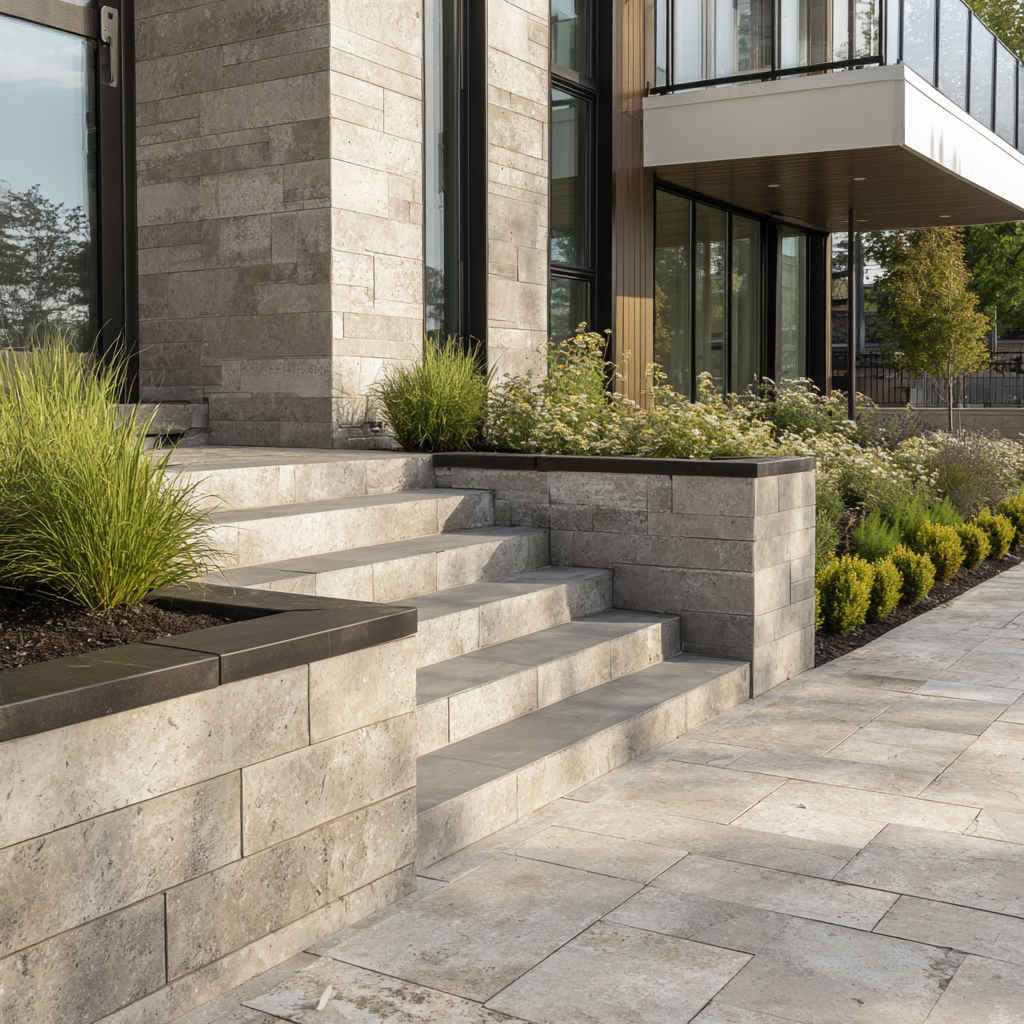
Modern linear paver steps are one of the best paver step design ideas for contemporary homes. These steps feature clean lines, sharp angles, and uniform dimensions that complement modern architecture.
Large-format pavers are often used in this design to create a seamless and sophisticated appearance. The reduced number of joint lines contributes to a minimalist aesthetic, making the space appear more open and organized.
Structurally, linear steps require precise leveling and accurate riser measurements. Consistent height and depth are critical to ensure safety and visual symmetry. When properly installed, modern paver steps offer both visual impact and structural stability.
This design works especially well for front entrances, pool decks, and patios that emphasize geometric landscaping elements.
Curved Paver Steps for Softer Transitions
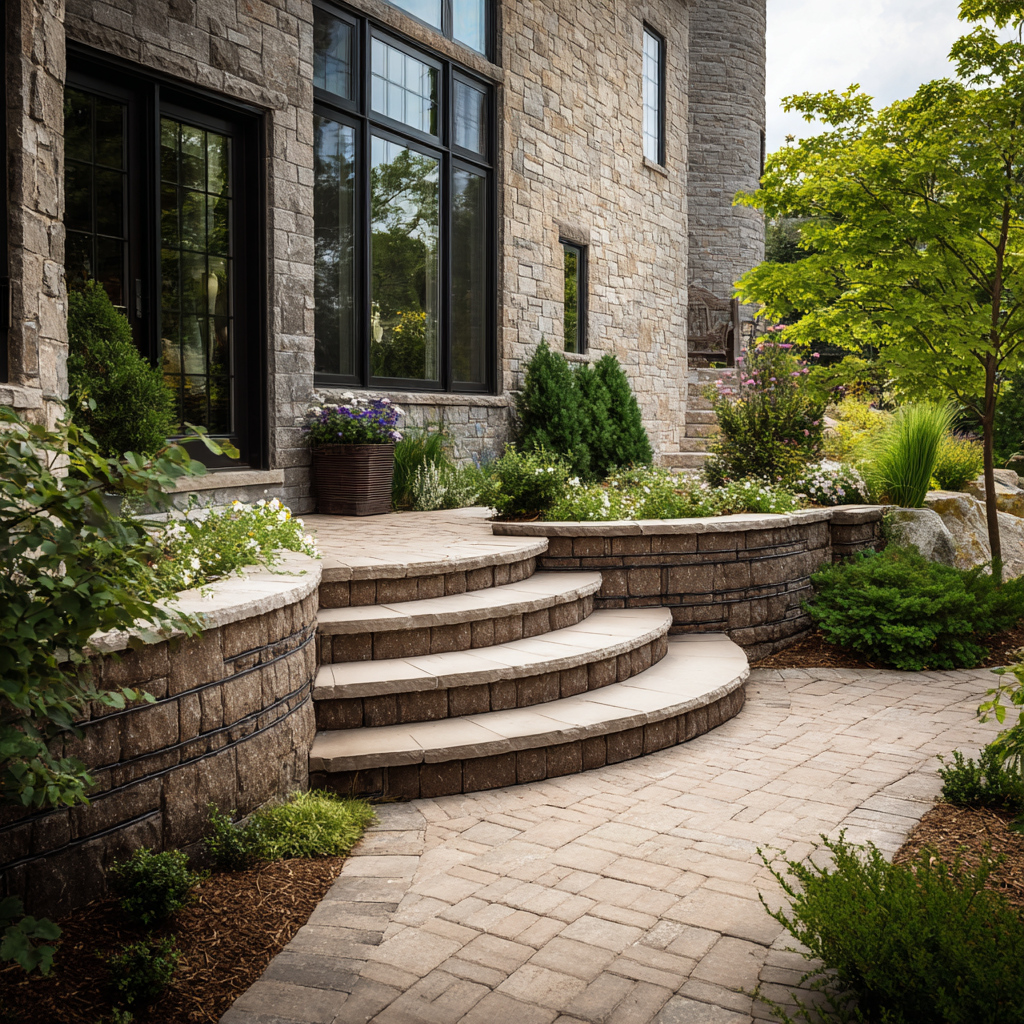
Curved paver steps are ideal for properties with organic landscaping or natural elevation changes. Among the best paver steps design ideas, curved layouts provide a softer and more inviting transition between levels.
These steps blend seamlessly with garden beds, retaining walls, and winding walkways. The curved structure distributes weight evenly while creating visual movement throughout the space.
From a construction standpoint, curved paver steps require careful planning and precise cutting of pavers to maintain symmetry. Proper base compaction is especially important to prevent shifting along the arc.
When integrated correctly, curved paver steps create a welcoming and elegant atmosphere that enhances both functionality and landscape design.
Read also: How to fix loose paver steps – your guide to repairing
Tiered Patio Paver Steps
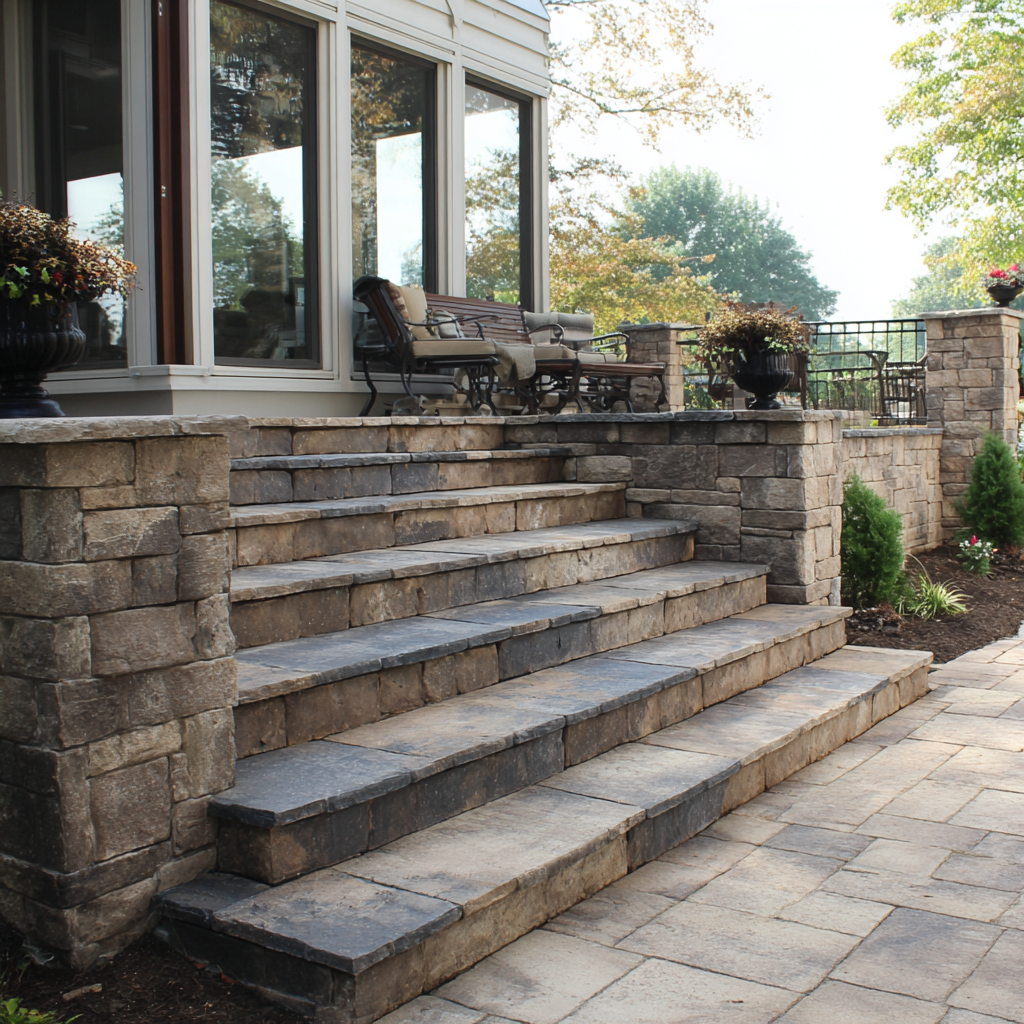
Tiered steps are one of the best paver step design ideas for multi-level outdoor living spaces. This design is commonly used when connecting patios to elevated decks or transitioning between entertainment zones.
Tiered paver steps can create defined areas for dining, lounging, or cooking spaces. They add dimension and structure to larger backyards.
Because tiered systems involve multiple elevations, structural reinforcement is critical. Each level must have a properly compacted base and adequate edge restraints to maintain alignment over time.
Incorporating contrasting paver colors between tiers can also add visual depth and highlight architectural elements.
Wide Front Entrance Paver Steps
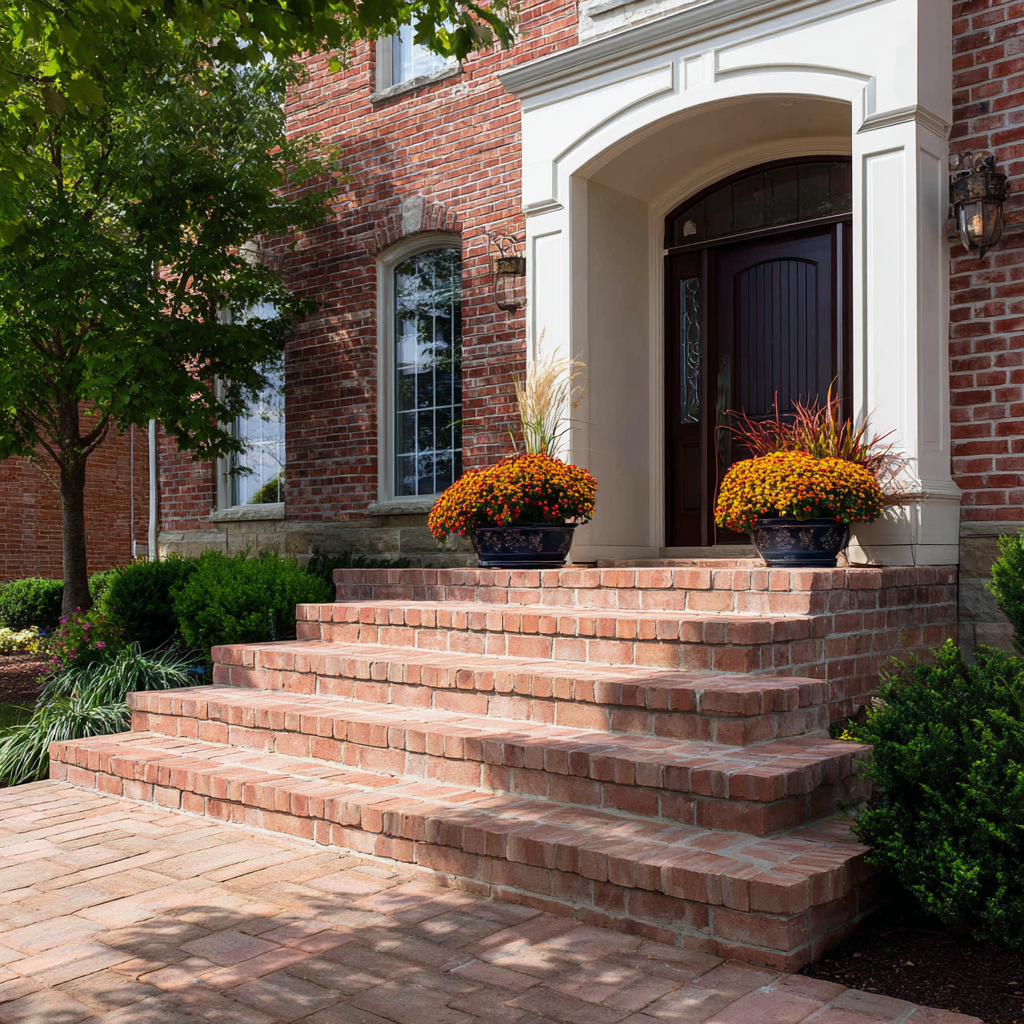
Wide paver steps at the front entrance dramatically increase curb appeal. This design is often considered one of the best paver step design ideas because it combines functionality with a strong architectural presence.
Wider steps create a sense of openness and accessibility. They provide a more stable footing and enhance safety, especially in high-traffic areas.
From a structural perspective, front entrance steps must account for drainage and water runoff. Improper grading can lead to pooling, which may compromise long-term durability.
Choosing textured pavers for wide entrance steps also improves slip resistance, particularly during rainy conditions.
Illuminated Paver Steps
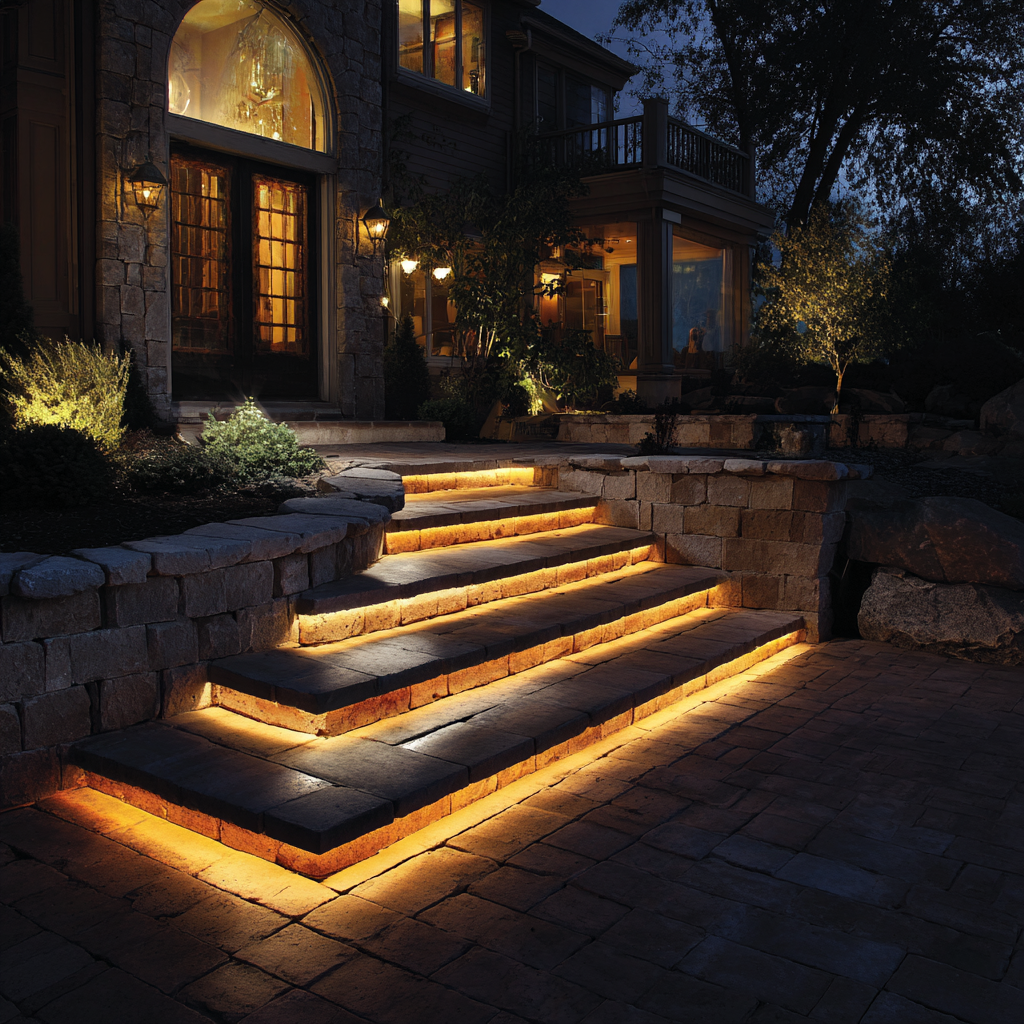
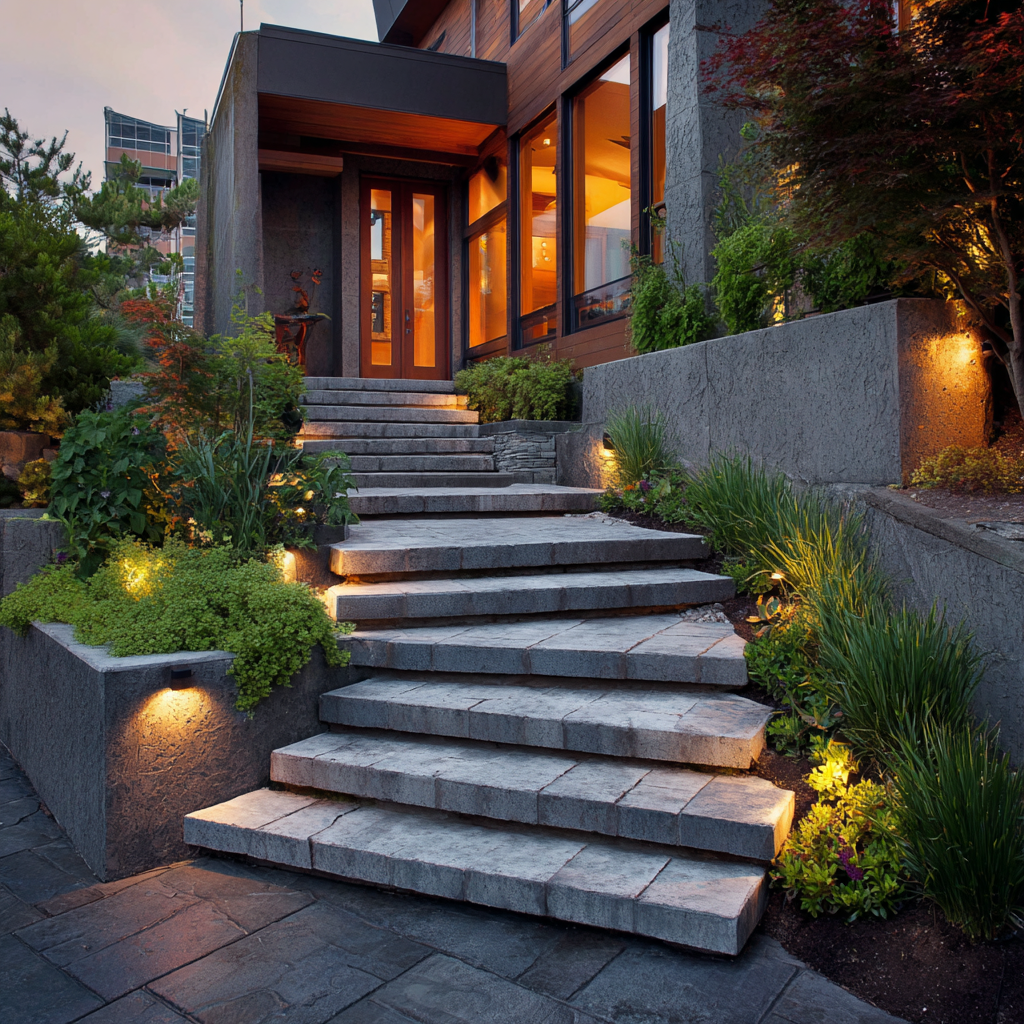
Lighting integration is becoming one of the most popular and best paver steps design ideas for both safety and aesthetics. LED lighting installed along risers or beneath step edges enhances nighttime visibility and creates a dramatic visual effect.
Illuminated paver steps improve safety by clearly defining elevation changes after dark. This is especially beneficial in backyard patios or garden pathways.
Electrical planning must be completed before installation to conceal wiring and ensure proper waterproofing. When executed correctly, illuminated steps provide both functional safety and refined design appeal.
Natural Stone-Look Paver Steps
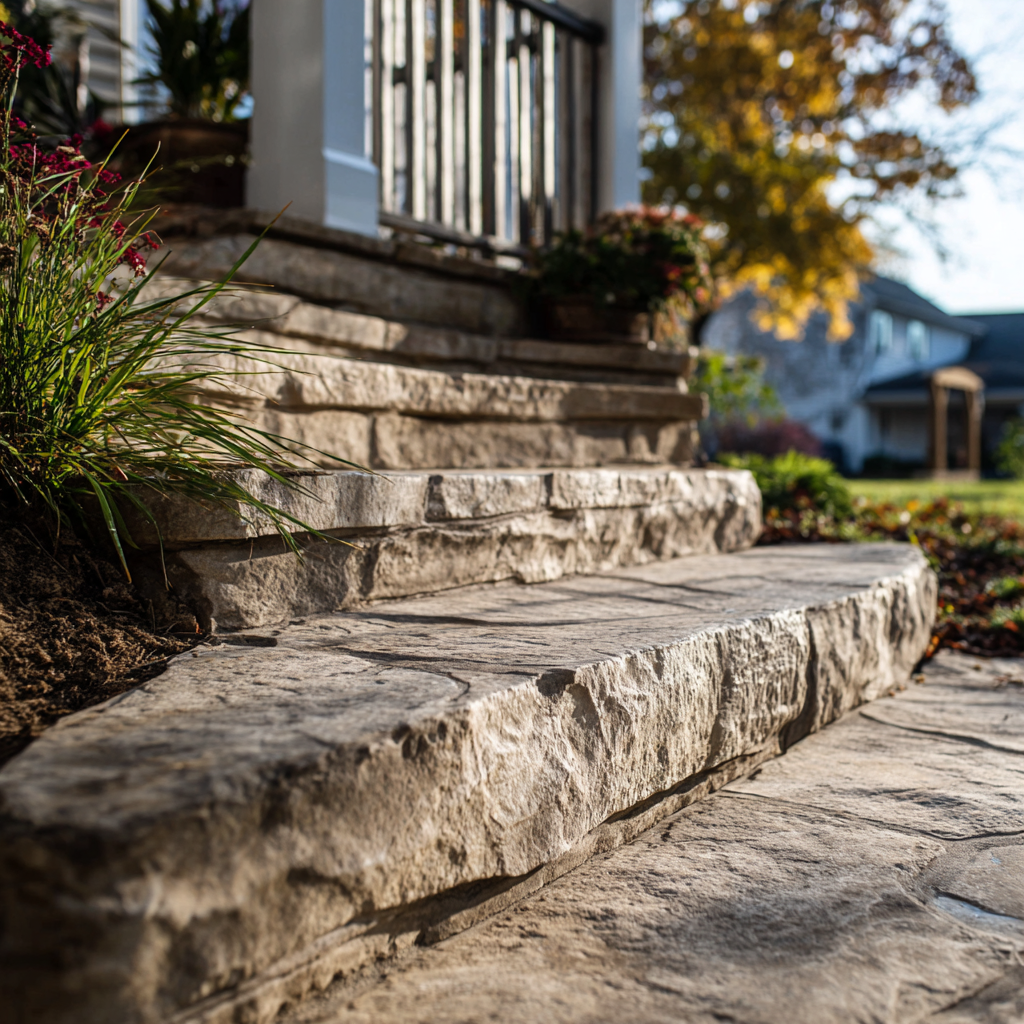
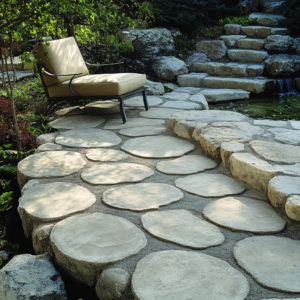
Concrete pavers designed to mimic natural stone are another excellent option among the best paver steps design ideas. These pavers offer the aesthetic appeal of stone while maintaining the structural consistency of manufactured materials.
Textured surfaces add slip resistance and visual richness. Natural stone-look steps work well in traditional homes, rustic landscapes, and transitional outdoor spaces.
This design offers versatility in color and pattern while maintaining durability under heavy use.
Structural Considerations for Paver Steps
The best paver steps design ideas must always be supported by strong structural planning.
Base Preparation and Compaction
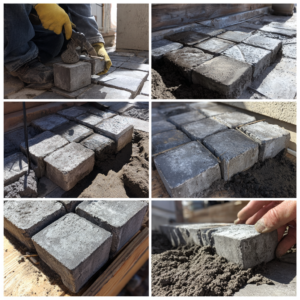
A stable foundation is essential for long-lasting paver steps. Excavation depth must be calculated according to soil conditions and expected load.
Compacted aggregate layers create a stable base that prevents settling and shifting. Insufficient compaction is one of the most common causes of step failure.
Riser Height and Tread Depth Consistency
Consistency in riser height and tread depth ensures both safety and visual harmony. Uneven steps can create tripping hazards and disrupt the aesthetic balance of the design.
Proper measurement during installation guarantees compliance with local building standards and improves user comfort.
Drainage Planning
Water management is critical in outdoor step design. Proper slope and drainage channels prevent water accumulation, which can weaken the base and cause erosion.
Permeable joint systems also help facilitate water infiltration and reduce surface runoff.
Read also: Can I replace wood steps with paver steps?
Choosing the Right Materials for Paver Steps
Material selection plays a major role in determining which are truly the best paver steps design ideas for your project. See our tips below:
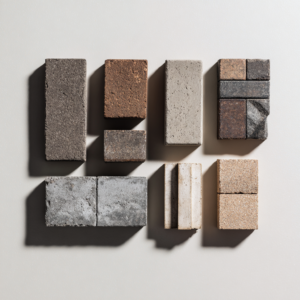
- Concrete pavers are widely used due to their durability, uniform dimensions, and variety of finishes. They offer flexibility in color, texture, and shape.
- Slip-resistant textures are recommended for safety, particularly in areas exposed to moisture.
- Edge caps and contrasting borders can define each step visually while reinforcing structural edges.
Selecting the appropriate material ensures that the design remains durable and visually appealing for years.
Combining Design and Functionality
The best ideas surrounding paver steps successfully combine creativity with engineering precision. While aesthetics attract attention, structural stability ensures longevity.
Every design choice, from paver size to shape and texture, influences performance. Careful planning ensures that steps are comfortable to use, visually cohesive with the property, and built to withstand environmental stress.
By integrating design inspiration with proper installation techniques, paver steps become a defining feature of any outdoor space.
JS Brick is here to help!
The best paver steps design ideas are those that balance visual appeal, safety, durability, and architectural harmony. Whether you prefer modern linear layouts, curved transitions, tiered patios, or illuminated accents, thoughtful planning ensures long-term success.
Well-designed paver steps enhance curb appeal, improve accessibility, and create a seamless transition between different levels of your property.
With proper material selection, structural preparation, and professional execution, paver steps can elevate the overall character and functionality of your outdoor environment.
And if you happen to be around Sarasota County, in FL, we here at JS would be glad to offer you that help. You can contact us anytime for a free estimate on our services and join the long list of satisfied customers we have gathered over our 26 years of experience.