For homeowners working with pavers for the first time, the sheer amount of paver options can be overwhelming. I’ve seen it happen many times: clients have a clear hardscape project idea in mind, but when it comes to actually choosing the pavers, doubts start to creep in.
And rightfully so. Pavers are the cornerstone of great design and long-lasting functionality of any hardscape design, so paying attention to paver options is a highly recommended practice. Over the years, I’ve seen firsthand how the right choice in pavers can completely change the look and performance of patios, walkways, driveways, and pool decks.
Whether you’re planning a small backyard project or a large commercial installation, understanding the different paver options available is the first step toward a successful result. In this article, learn the different types of paver options, as well as some insights on how to select the best one for your specific needs.
You may also like: These are the pavers that don’t get hot in the outdoors
Jump to:
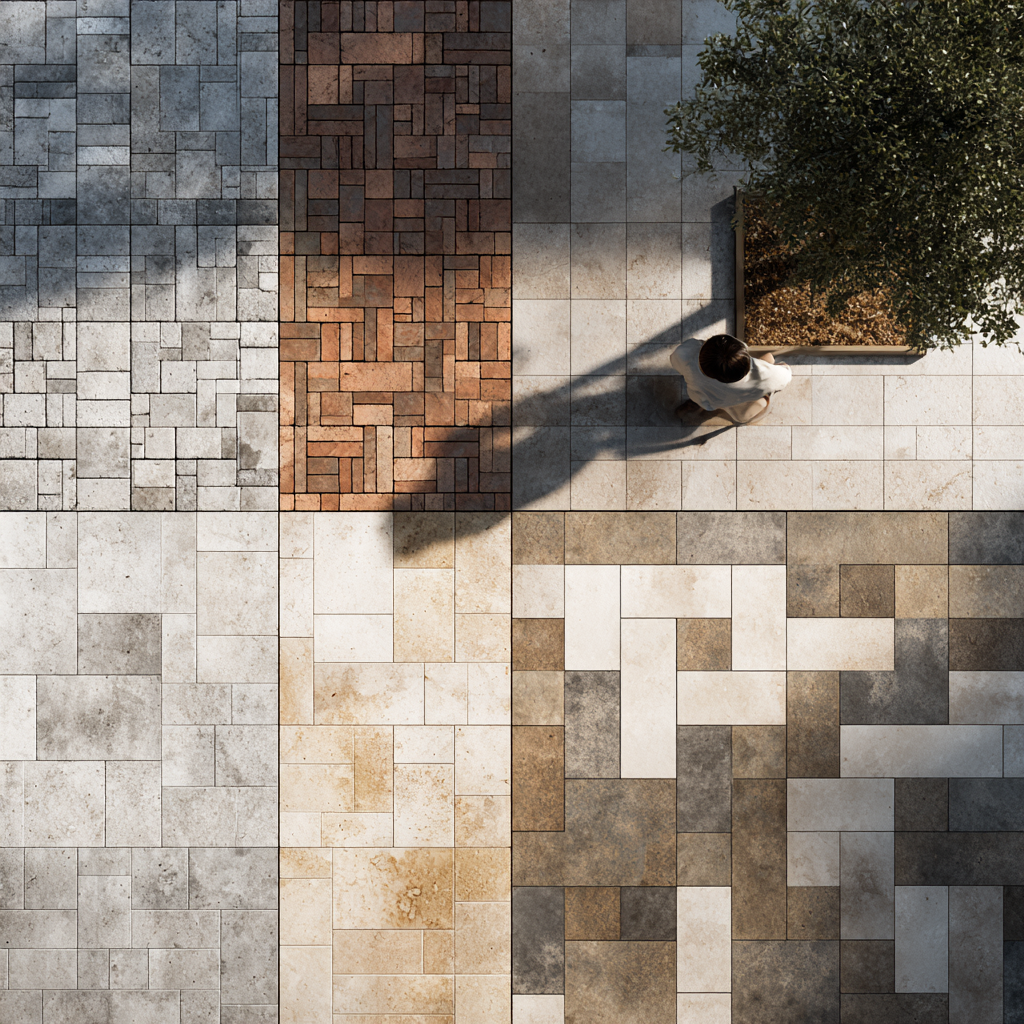
All major paver options used for hardscape design
When we talk about paver options, we are referring to a full spectrum of design and technical choices. This may include the type of material, texture, color, shape, and edge style.
However, the only thing that really matters, structurally speaking, is the material. Everything else is merely an aesthetic choice, and you can go for whatever floats your boat. That’s why the main category in which we professionals divide the pavers is the material, which goes as follows:
- Concrete pavers: Affordable, versatile, and available in many shapes and finishes.
- Brick pavers: Traditional, long-lasting, and known for their rustic charm.
- Natural stone pavers: Premium, elegant, and unique in appearance.
- Porcelain pavers: Modern, highly resistant to stains and moisture.
- Permeable pavers: Eco-friendly and perfect for managing drainage. Technically not a different material, but treated as so due to how different they are to approach during the installation process.
Each of these options has its pros and cons, and selecting the right one depends heavily on the project location, climate, usage, and aesthetic goals. So let’s discuss each one in depth!
Concrete pavers
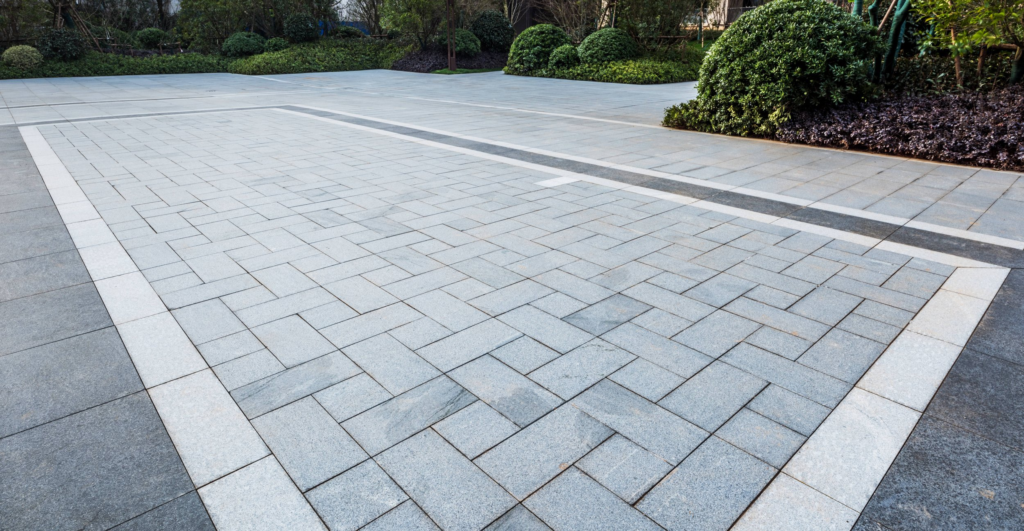
Among all the paver options, concrete pavers are by far the most versatile and commonly used. I recommend it frequently because of its balance between cost and performance. You can find concrete pavers in a wide range of sizes, colors, and patterns, which makes them adaptable to almost any outdoor setting.
They work well for driveways due to their strength, and also for patios because of the variety in surface textures. They are often used when clients want something dependable and stylish without breaking the bank.
However, concrete does have its drawbacks. It can fade over time, especially under direct sun, and may require sealing to preserve its color and integrity. But with proper installation and maintenance, they hold up beautifully.
Brick pavers
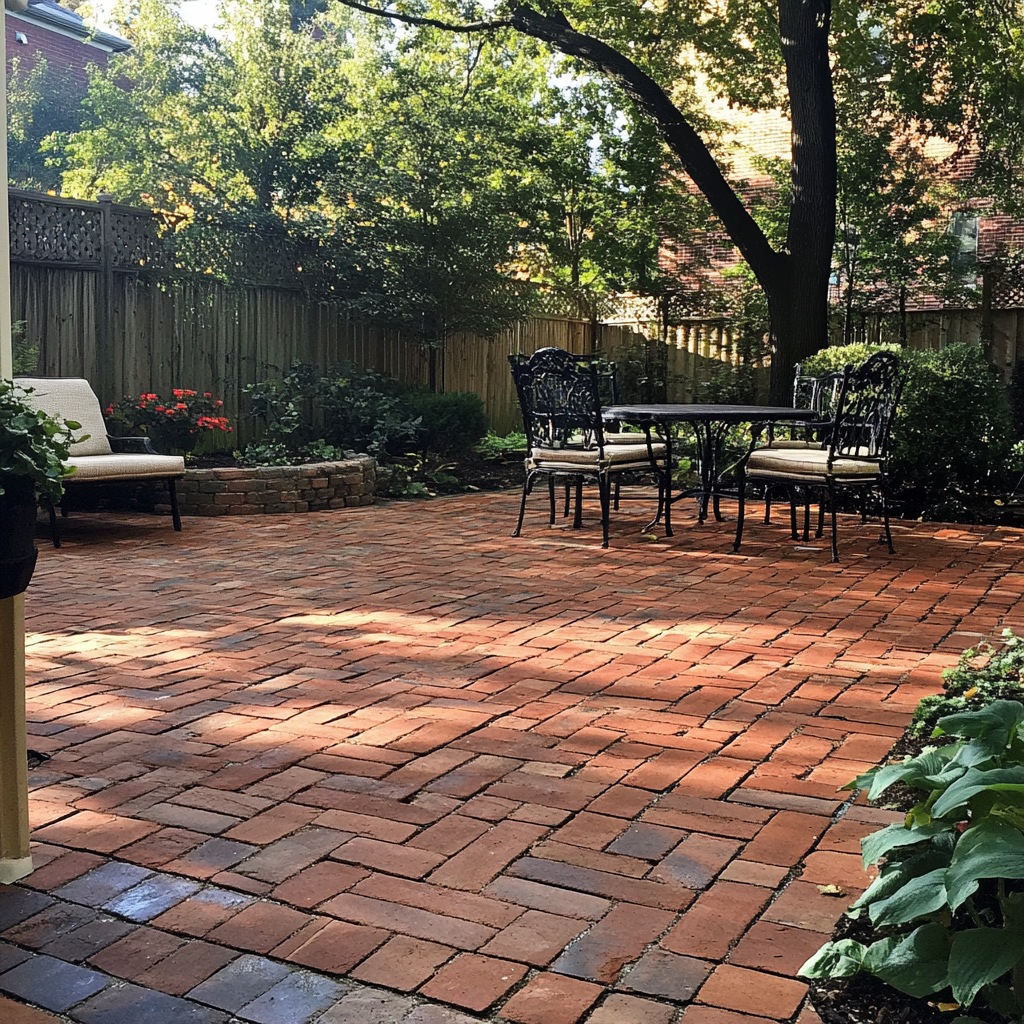
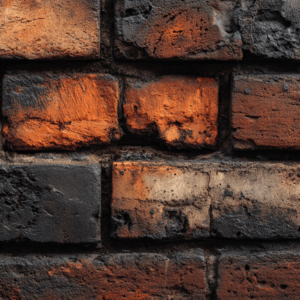
For homeowners who appreciate a more classic or historic look, brick pavers are one of the top paver options I suggest. They offer a warm, earthy tone and a textured surface that adds depth to any landscape.
What most people love most about brick is its ability to age gracefully. In fact, some would say it actually looks better as it weathers.
Brick is better suited for walkways, small patios, or garden paths. It’s not quite as flexible as concrete in terms of size and shape, and it might be less suitable for high-traffic driveways unless properly reinforced. But aesthetically, few materials can match the authenticity of real brick.
Natural stone
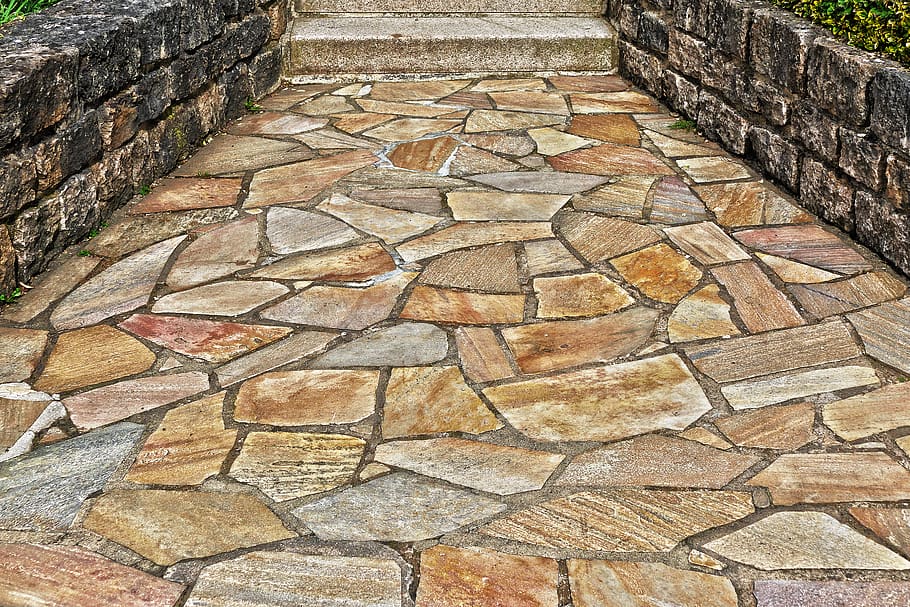
When someone asks for the most high-end paver options, natural stone is always part of the conversation. Each stone piece is different from the next, which means no two installations are exactly alike. Travertine, granite, slate, and bluestone are among the most requested options.
Stone pavers provide a luxurious feel and work exceptionally well for pool decks and patios. They remain cool underfoot and resist wear and tear better than most materials. However, they come with a higher price tag and require skilled installation to ensure longevity.
Because of their weight and irregularity, natural stone pavers aren’t a good DIY option. This is where professional installation really makes a difference.
Porcelain pavers
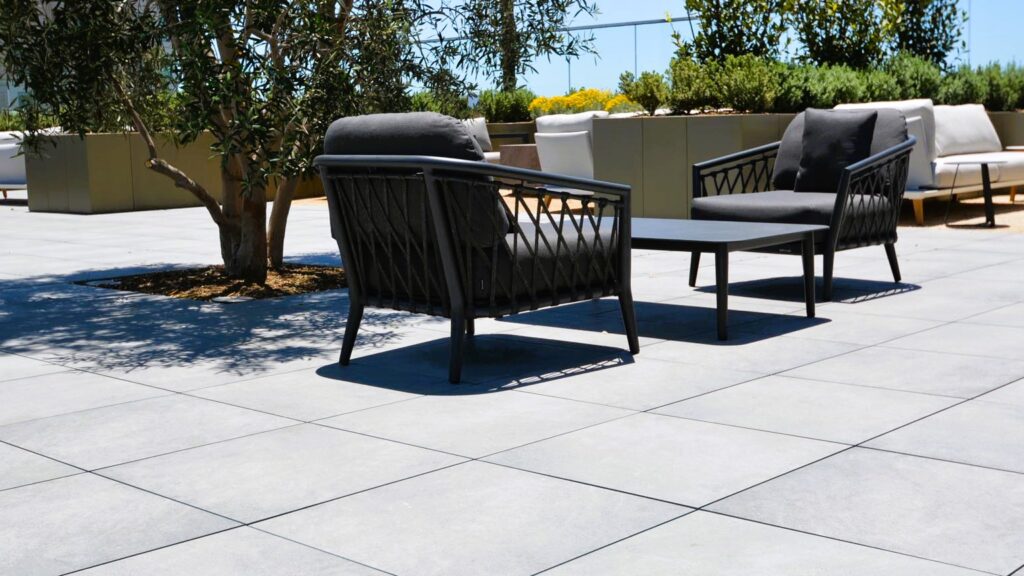
A relatively new player in the world of paver options, porcelain pavers are ideal for modern landscaping. They’re highly resistant to stains, scratches, and water absorption. This makes them perfect for humid environments or areas with heavy rainfall.
Another huge benefit is their slim profile and consistent coloring. Many clients love the clean, minimalistic look they offer. They’re also slip-resistant, making them a great choice for poolside areas. Keep in mind, though, that installation requires a solid base and precise handling to prevent cracking.
Permeable pavers
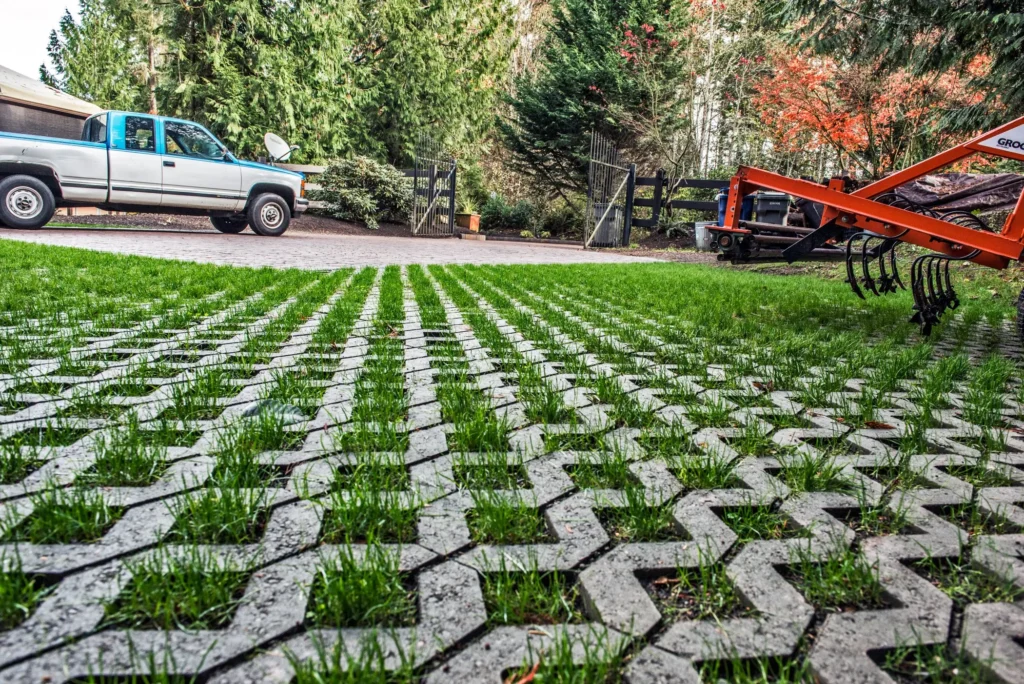
As someone who cares about sustainable construction, I always bring up permeable pavers when clients are concerned about water runoff. These paver options are designed to let water pass through the joints and into the ground, helping reduce erosion and minimize puddles.
They are especially beneficial in places with strict stormwater regulations or areas prone to flooding. While not everyone chooses them for aesthetics, their environmental impact is a major selling point.
The only caution here is that the base and sub-base materials need to be installed correctly to ensure permeability. But once in place, they perform exceptionally well with minimal maintenance.
How to select the right paver option for your project in 4 steps
1. Consider the function first
What is the space used for? Driveways need durable, load-bearing pavers. Patios should feel comfortable underfoot. Walkways must offer traction and stability.
2. Match the architecture
Your home’s design can inform your paver options. For example, a colonial-style house pairs beautifully with brick, while a contemporary build might lean toward porcelain or smooth concrete.
3. Think long-term
Maintenance should always be a factor. Some paver options require regular sealing or cleaning, while others are practically maintenance-free. Consider what fits your lifestyle and schedule.
4. Budget wisely
It’s easy to fall in love with premium materials, but costs can escalate quickly. I always recommend balancing beauty with practicality. There are excellent mid-range paver options that offer great performance and aesthetics without overspending.
Getting it done right with professional help
No matter which paver options you choose, proper installation is critical. A beautiful paver can be ruined by poor grading, uneven bedding, or improper edge restraints. That’s why professional installation is something you should never compromise on.
Experts begin with a detailed site assessment, making sure to prepare a solid base that ensures stability for years to come.
Choosing from the wide variety of paver options can feel overwhelming, but it doesn’t have to be. With the right information, and a bit of guidance, you can find the perfect match for your style, budget, and performance needs. So find a professional you can trust in your area!
If you are in Sarasota County, in FL, or anywhere nearby and want help navigating your paver options, don’t hesitate to reach out to us here at JS Brick. We don’t just install pavers – we help bring your vision to life with professionalism and care, every step of the way.