Many homeowners ask, “Is it cheaper to make your own concrete pavers?”
Generally speaking, yes – at first glance. However, although mixing cement, pouring it into molds, and letting it cure may seem like a simple way to reduce project costs, the true financial impact of DIY concrete pavers goes far beyond raw materials – and expert installation remains the optimal way to bring your project into fruition.
Equipment, time investment, durability, consistency, installation challenges, and long-term performance must all be considered. So, before deciding whether it is cheaper to make your own concrete pavers, it is important to understand the complete cost structure and the potential risks involved.
You may also like: The ultimate DIY paver patio tutorial for homeowners
Jump to:
Cost Breakdown: DIY Concrete Pavers vs Pre-Manufactured Pavers
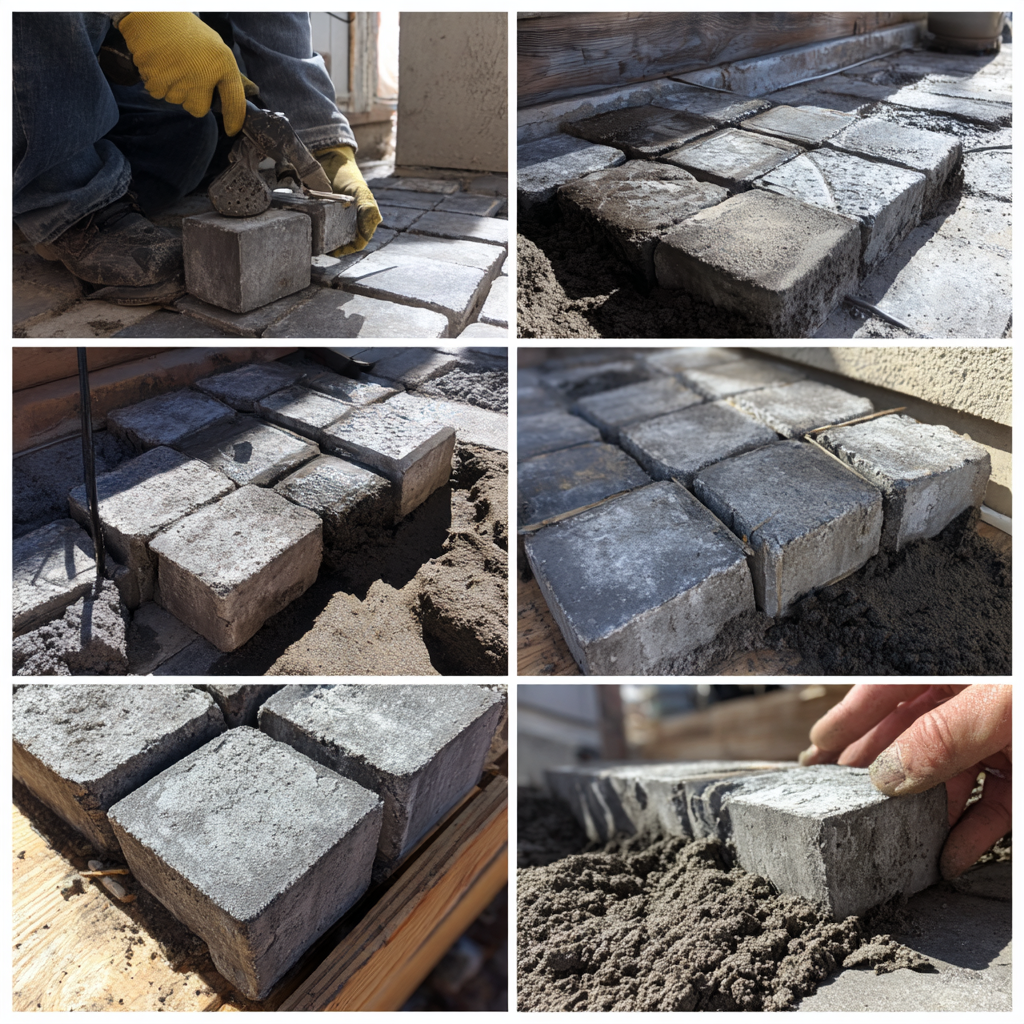
When evaluating whether it is cheaper to make your own concrete pavers, a side-by-side cost analysis provides clarity. While DIY production may seem economical at first glance, the full picture often reveals additional variables.
Cost of Raw Materials
The primary material required for homemade pavers is Portland cement combined with sand and aggregates. Water and optional pigments are also necessary. On a per-unit basis, these raw materials may appear inexpensive, especially when purchased in bulk.
However, concrete requires precise mixing ratios to achieve proper strength. If measurements are inconsistent, the resulting pavers may lack durability. Waste from incorrect batches increases overall cost. Even small errors in the water-to-cement ratio can significantly impact compressive strength.
Although the material cost per unit may be lower, the margin of error increases the total expenditure.
Cost of Molds and Production Tools
To make your own concrete pavers, you need molds that define shape and size. Quality molds are not always inexpensive, especially if you require multiple units to speed up production. Plastic molds may wear down over repeated use, affecting the consistency of dimensions.
In addition to molds, mixing tools are required. While small projects may rely on manual mixing, larger batches often require a concrete mixer. Renting or purchasing equipment adds to initial expenses.
These costs must be amortized across the number of pavers produced. For small projects, the investment may not justify the savings.
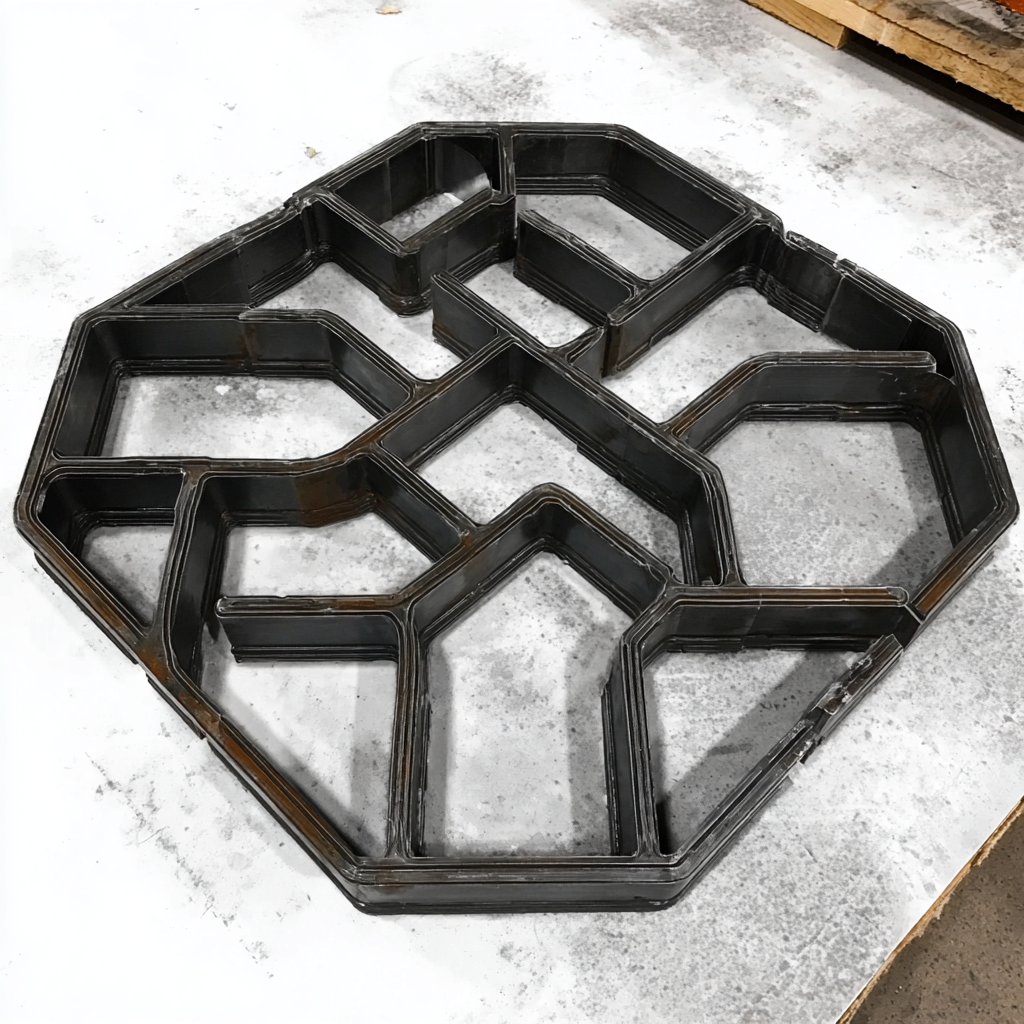
Read more about paver molds here.
Labor and Time Investment
Producing DIY pavers involves measuring materials, mixing batches, pouring molds, vibrating to remove air pockets, leveling surfaces, waiting for curing, demolding, and allowing additional curing time before installation.
Each stage requires physical effort and patience. Unlike factory production, which uses high-pressure compaction and controlled curing environments, homemade pavers rely heavily on manual precision.
Even if labor is not paid externally, your time has value. An extended production time can delay the entire project.
Hidden Costs of Making Your Own Concrete Pavers
Beyond visible expenses, several hidden costs influence whether it is cheaper to make your own concrete pavers.
Inconsistent Strength and Structural Integrity
Factory-manufactured pavers are produced under controlled pressure and curing systems. This ensures high density and uniform compressive strength. DIY pavers rarely achieve the same level of compaction unless specialized equipment is used.
Lower density increases the risk of cracking, surface chipping, and premature deterioration. If multiple units fail over time, replacement costs can exceed initial savings.
Waste and Rework
Air pockets, uneven curing, surface imperfections, or color inconsistencies may require certain units to be discarded. Remaking defective pavers consumes additional materials and time.
Unlike professional production lines that maintain quality control standards, DIY batches may vary from one pour to another. Variations complicate installation and increase waste.
Storage and Curing Space
Concrete requires adequate curing conditions to reach optimal strength. Homemade pavers must cure in a flat, stable environment protected from excessive moisture or temperature fluctuation.
Large quantities demand significant space for curing and storage. Limited space may slow production or lead to compromised curing conditions, affecting durability.
Durability and Long-Term Performance
When determining whether it is cheaper to make your own concrete pavers, durability should be a primary factor.
Professionally manufactured pavers undergo controlled curing processes that optimize strength and resistance to environmental stress. They are engineered to withstand heavy loads, temperature changes, and moisture exposure.
Homemade pavers may not reach the same compressive strength. In driveways or high-traffic areas, insufficient structural integrity can lead to surface degradation.
Long-term performance influences total cost. If DIY pavers require replacement earlier than expected, the cumulative expense may surpass the cost of purchasing factory-made units initially.
Installation Challenges
Sizes and shapes must be dimensionally consistent for smooth installation. Manufactured pavers are precision-made to uniform thickness and width.
Homemade pavers may vary slightly in thickness or surface flatness. Even small inconsistencies complicate base leveling and spacing. This can lead to uneven surfaces or extended installation time.
Alignment issues may require additional adjustments, increasing labor effort. If installation errors occur, lifting and repositioning pavers further extends project time.
Installation complexity directly influences whether it is cheaper to make your own concrete pavers.
Project Size and Scale Considerations
Project size plays a significant role in the cost equation.
For small decorative features such as stepping stones, garden accents, or limited patio extensions, DIY concrete pavers may offer modest savings. Production volume remains manageable, and risk exposure is limited.
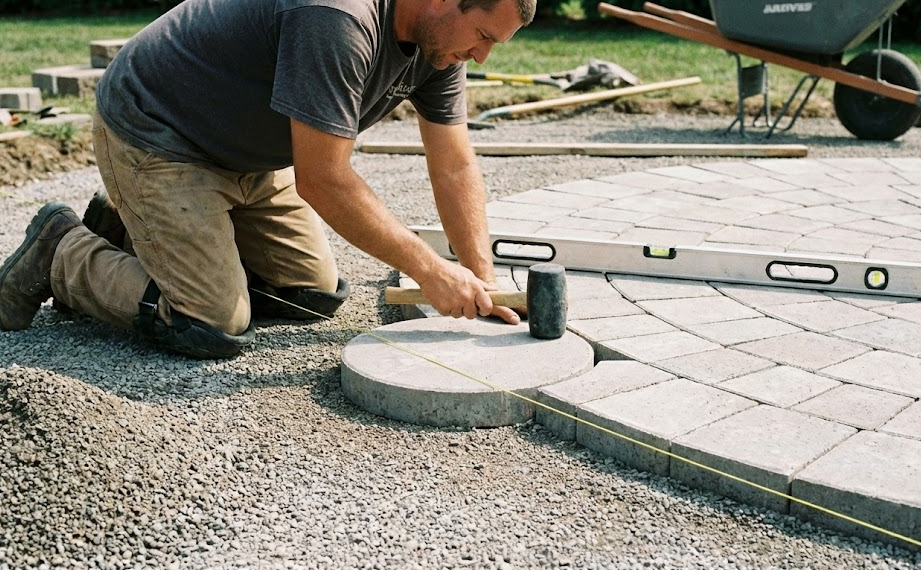
However, for full patios, driveways, or large walkways, the number of required pavers increases dramatically. Producing hundreds of units demands significant time, consistent quality control, and adequate curing space.
As production scale increases, the practicality of DIY manufacturing decreases.
Long-Term Value vs Upfront Savings
Upfront savings do not automatically equal overall value.
When homeowners ask, “Is it cheaper to make your own concrete pavers?” they often focus on material cost alone. However, long-term performance, maintenance frequency, replacement risk, and installation difficulty must also be considered.
Factory-produced pavers offer predictable strength, uniform appearance, and reliable longevity. This consistency reduces risk and simplifies installation.
In many cases, professionally manufactured pavers provide better lifecycle value, even if the initial cost per unit is higher.
So, Is It Cheaper to Make Your Own Concrete Pavers?
The answer depends on your project goals, available tools, skill level, and performance expectations.
For small, decorative applications, making your own concrete pavers may reduce upfront material expenses. However, for structural projects such as driveways and patios, the total cost of tools, labor, potential rework, and durability differences often narrows or eliminates the price advantage.
Before deciding whether it is cheaper to make your own concrete pavers, evaluate not only material prices but also time investment, structural requirements, and long-term durability. Making an informed decision ensures that your outdoor surface delivers lasting value and performance.

When in doubt, ask for professional advice from a qualified hardscape contractor around your area. They can help you decide and sift through your options.
And if you happen to be around Sarasota County, in FL, we here at JS would be glad to offer you that help. You can contact us anytime for a free estimate on our services and join the long list of satisfied customers we have gathered over our 26 years of experience.